

Support from family, partners and community can make a real difference in how LGBTQIA+ people handle stress. Families often want to help but are not sure what to say. Couples may face pressures that other couples do not. And community connection can be harder to find outside big cities. This guide covers why family acceptance matters, how to talk through hard questions at home, what affirming couples counseling looks like, and how to find community and care in Southern and Central Maryland. It is educational and not a substitute for individual care. If you or someone you love is in crisis, call 911, the nearest ER, or call or text 988.
Key Takeaways
- Family acceptance is linked to positive health outcomes for LGBTQ+ youth, and small, everyday behaviors count.
- Families can learn to respond with curiosity rather than debate: listen, use the names and pronouns a person asks for, and let them decide who else to tell.
- Same-sex couples have many of the same relationship challenges as other couples, plus social stresses that affirming couples counseling can address.
- Community connection through groups like PFLAG chapters, school clubs and peer networks can buffer minority stress.
- Affirming care treats identity and relationship structure as valid, never as a problem to fix.
Why Family Acceptance Protects LGBTQIA+ Youth
How a family responds when a young person shares an LGBTQIA+ identity can shape how safe they feel at home and in the world. The CDC notes that family acceptance has been linked to positive health outcomes for LGBTQ+ youth. Rejection, on the other hand, adds to the minority stress that LGBTQIA+ people can already face from stigma and discrimination.
Acceptance does not require having every answer or agreeing on everything right away. It shows up in small, consistent behaviors: listening without interrupting, staying warm during disagreements, standing up for a child when others are unkind, and making it clear that they still belong in the family. For a broader look at how stigma affects mental health and what helps, see LGBTQIA+ affirming mental health care and minority stress.
Family Support for Faith and Military Families
Families grounded in faith or military service often share strong values such as loyalty, duty and protecting the people they love. Those values can be a bridge. An affirming family counselor can work with a family’s beliefs and traditions while making sure the goal is understanding and connection, not changing anyone’s orientation or gender identity. Efforts to change orientation or identity are not affirming care. Clergy or faith leaders join sessions only if the family invites them.
Military families may also juggle deployments, relocations and long separations. Counseling can help families stay connected through those changes. For details on coverage, see counseling for active-duty families with TRICARE; coverage varies by plan, so confirm benefits before scheduling.
Talking Through Hard Questions as a Family

Much of the real work happens outside sessions, at the dinner table, in the car, or in quiet moments when a young person decides whether to share something big. Some approaches that help:
- Thank them for telling you. Sharing an identity takes courage. A calm “thank you for trusting me” can matter more than any perfect words.
- Ask, don’t assume. Ask which name and pronouns they want used, and use them consistently. The American Psychological Association recommends using the names and pronouns that fit a person’s identity and asking if unsure.
- Learn the basics yourself. Your child should not have to carry the whole job of educating the family.
- Let them decide who else knows. Before telling relatives or friends, ask first. Timing and audience belong to them.
- Keep conversations low-pressure. Regular, everyday check-ins about school, friends and feelings make it easier to talk when something harder comes up.
Parents may have their own feelings to work through, such as worry, grief or confusion. Getting support for yourself, through a counselor or a parent group, can help you show up steadily for your child. For practical ideas on calm communication with teens, see family support for struggling teens, and for families with a child who is questioning gender, see gender identity exploration and affirming care.
Affirming Couples Counseling in Maryland
Affirming couples counseling starts from a simple premise: your identities and your relationship structure are valid, not problems to fix. According to The Gottman Institute, its 12-year study of gay and lesbian couples found that relationship satisfaction and quality were about the same across straight, gay and lesbian couples, and that same-sex couples deal with the same everyday ups and downs. The same research notes that these couples may also face social pressures such as isolation from family and workplace prejudice.
Couples counseling can help partners understand how those outside pressures show up at home, such as stress around being out at work, differences in how out each partner is, or strained relationships with family of origin. It can also help with the issues any couple brings, like recurring arguments, distance or rebuilding trust.
How Gottman and EFT Support LGBTQIA+ Couples
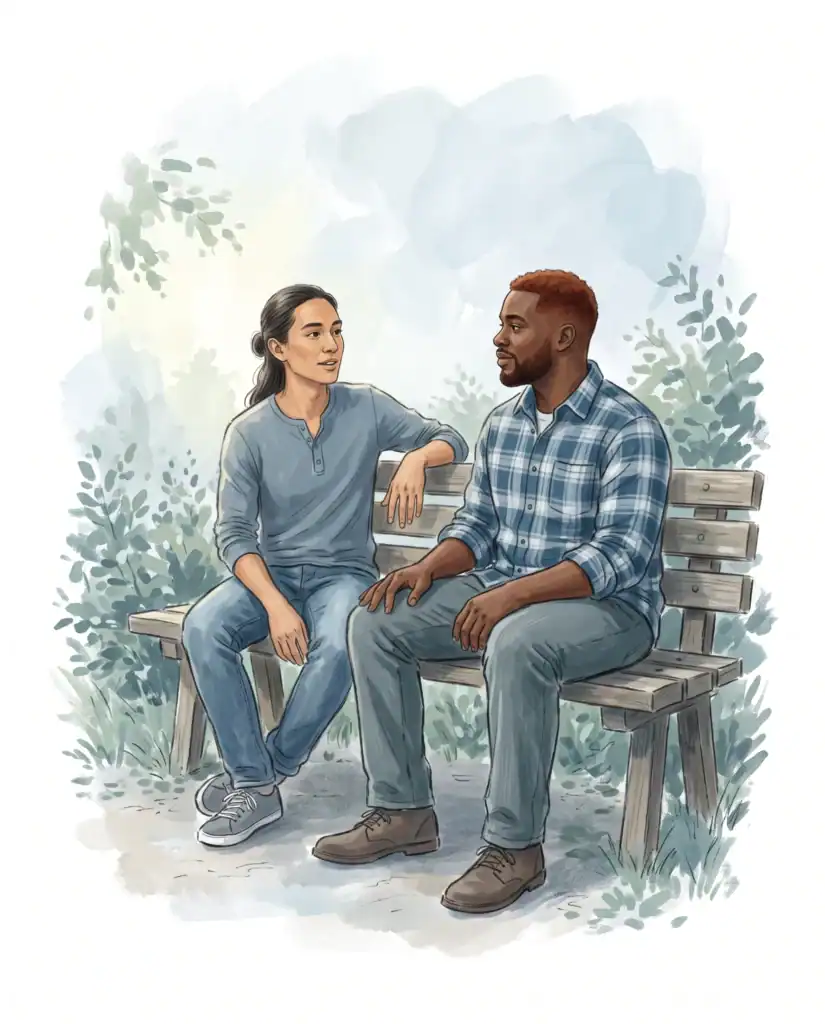
Two widely used approaches are the Gottman Method and Emotionally Focused Therapy (EFT). The Gottman Method focuses on friendship, managing conflict and building shared meaning, with practical skills couples can use between sessions. The Gottman Institute’s research also describes strengths it observed in many gay and lesbian couples, such as using affection and humor when raising a disagreement and being able to calm down during conflict. EFT helps partners name the vulnerable feelings and attachment needs underneath recurring conflict so they can reach for each other more safely.
Either approach can be adapted to the relationship you actually have, whether that involves monogamy, consensual non-monogamy, or changes in identity over time. For a step-by-step look at both models, see the guide to Gottman Method and Emotionally Focused couples therapy. You may also find signs of a healthy romantic relationship and attachment styles helpful.
Finding an Affirming Couples or Family Counselor
When you contact a provider, it is reasonable to ask direct questions before you book:
- What experience do you have working with LGBTQIA+ couples and families, including transgender and nonbinary partners?
- How do you talk about identity-related stress without treating identity as the problem?
- How do you avoid assumptions about gender roles or family structure?
- How do you handle information one partner or family member shares privately?
Pay attention to whether both partners, or every family member, feel heard in the first conversations. Fit matters.
Finding Community in Southern and Central Maryland

Community connection is one of the factors that can buffer minority stress. In his minority stress model, psychologist Ilan Meyer identified coping and social support, including connection with LGBTQIA+ community, as factors that can lessen stress from prejudice. Outside large cities, community may take more effort to find, but options exist:
- PFLAG chapters. PFLAG describes itself as the nation’s largest organization supporting LGBTQ+ people and those who love them; its chapter finder lists local chapters and virtual meetings, including in Maryland.
- School clubs and safe spaces. The CDC notes that student-led clubs, safe spaces and inclusive policies can improve school connectedness for LGBTQ+ youth.
- College, faith and cultural communities. Many campuses and congregations host affirming groups.
- Online groups. Moderated online communities can help when local options are limited. Check privacy settings, especially for young people who are not out to everyone.
Confirm meeting details, age eligibility and privacy practices directly with each group before attending. For general ideas on building belonging, see social wellness and community connection.
LGBTQIA+ Youth Programs That Build Belonging
Belonging is especially important for young people. Consistent peer communities, such as a school Gender and Sexuality Alliance or a youth group linked to a local PFLAG chapter, give young people a place where they do not have to explain themselves. Parents can help by learning what is available, offering rides, and respecting a teen’s choices about which spaces feel right. For an overview of common concerns at this age, see adolescent mental health issues in Maryland.
Getting Support at Blue Sails
Blue Sails offers LGBTQIA+ affirming therapy in Maryland for adults, couples, families and young people. Options include couples and family counseling and child and adolescent mental health care. To begin, start with client intake. If you or someone you love is in crisis, call 911, the nearest ER, or call or text 988.
For more on finding affirming, culturally responsive care and how therapy and psychiatric care fit together, see the therapy and medication guide.
Frequently Asked Questions
Why does family acceptance matter for LGBTQIA+ youth?
The CDC notes that family acceptance has been linked to positive health outcomes for LGBTQ+ youth. Everyday behaviors like listening, using the names and pronouns a young person asks for, and standing up for them all count.
What should I say when my child comes out?
Start by thanking them for trusting you. Ask how they would like you to support them, which name and pronouns to use, and who else knows. You do not need every answer right away.
Is couples counseling different for same-sex couples?
The core skills are the same. Gottman Institute research found relationship satisfaction is about the same across couple types, while same-sex couples may also face social pressures like family isolation or workplace prejudice that affirming counseling can address.
Can family therapy respect a family’s faith?
Yes. An affirming family counselor can work with a family’s beliefs and values while keeping the goal on understanding and connection, never on changing anyone’s orientation or gender identity.
Where can LGBTQIA+ families find community in Maryland?
Options include local and virtual PFLAG chapters, school Gender and Sexuality Alliances, college and faith-based affirming groups, and moderated online communities. Confirm details and privacy practices with each group.
Sources
Sources: CDC — Supporting LGBTQ+ Youth, American Psychological Association — Understanding Transgender People, Gender Identity and Gender Expression, The Gottman Institute — Same-Sex Couples research, Meyer (2003) — Prejudice, Social Stress, and Mental Health in Lesbian, Gay, and Bisexual Populations, PFLAG — Find a Chapter.