

We practice LGBTQIA+ affirming mental health care from one core truth: your identity isn’t the problem. Minority stress is—stigma, rejection, and discrimination keep your nervous system braced for threat, fueling depression, anxiety, and shame. That’s why we combine identity-affirming exploration with evidence-based care like CBT, EMDR, and family acceptance work that builds real resilience. If you’re in crisis, call 911, go to the nearest ER, or call or text 988. Below, we break down how rejection wounds and how healing begins.
Key takeaways
- Affirming care treats LGBTQIA+ identities as natural human diversity, never the cause of distress, and validates your experiences without shame.
- Minority stress theory explains how stigma, discrimination, and rejection, not identity, can keep the nervous system on chronic alert.
- Family rejection is linked with much higher risk: in one study, LGBTQ young adults who reported high family rejection were 8.4 times more likely to report a suicide attempt.
- Bullying and unsafe school climates add to that stress for many LGBTQ+ students.
- Evidence-based approaches like CBT and EMDR, community support, and inclusive policies can help build resilience against minority stress.
What is LGBTQIA+ affirming mental health care?
Affirming care rests on a straightforward premise: your identity isn’t the problem. In affirming care, we treat LGBTQIA+ identities as natural expressions of human diversity—not diagnoses. We validate your experiences, support healing without shame, and never assume your orientation or gender identity explains every concern you bring. Because identities can intersect with systemic oppression, we consider how intersecting identities may shape a young person’s mental health and care needs. Our guide to BIPOC mental health and culturally responsive psychotherapy in Maryland explores how race and culture can shape access to care. Positive media representation can support BIPOC LGBTQ youth by strengthening self-esteem and reducing stigma through affirming stories. Whether we’re providing gender-affirming mental health care for children and teens or adults, in person or through statewide telehealth, we tailor treatment to your developmental stage, needs, and goals. We use client-led exploration, offer accurate psychoeducation about identity and expression, and apply evidence-based methods like CBT and EMDR. In counseling for LGBTQIA+ youth and adults, we affirm who you are while we address what hurts. We also recognize how minority stress can affect LGBTQIA+ well-being and support strategies that build resilience.
Minority stress: why stigma, not identity, drives distress
When we say your identity isn’t the problem, we’re drawing on one of the most well-established frameworks in behavioral health: minority stress theory. This model distinguishes the everyday stress everyone carries from the added weight stigma places on LGBTQIA+ people. Since 1975, the American Psychological Association has affirmed that being gay or lesbian is not a mental health condition. Instead, distress follows from stigma exposure, not from who you are:
- Discrimination, harassment, and violence create hostile environments that wear on well-being.
- Institutional bias and hostile climates—like unsupportive schools—function as chronic stress exposures.
- Anticipating rejection keeps your nervous system on alert.
- Concealing identity demands constant, exhausting self-monitoring.
- Internalized prejudice turns outside stigma inward.
Schools can reduce these stressors by creating safer, more inclusive environments for LGBTQIA+ students.
Workplace discrimination and hostile climates can also contribute to LGBTQIA+ employees’ stress and affect their well-being through workplace stigma. For LGBTQIA+ clients facing minority stress, exploring holistic burnout recovery can complement affirming therapy and resilience-building.
Research links minority stress to mental health disparities in LGB communities. Community support can strengthen resilience and help LGBTQIA+ people navigate these stressors. We locate risk in social conditions—and in pathways we can address together.
How rejection harms LGBTQIA+ mental health
When family rejection cuts off the love and safety a young person depends on, the nervous system registers it as a real threat, and research links high family rejection with higher odds of depression, substance use, and suicide attempts among LGBTQIA+ youth. Bullying and social exclusion carry those wounds beyond the home, signaling that hiding who you are is safer than being seen. Research also links childhood adversity to adolescent suicidality, with anhedonia and perceived discrimination playing mediating roles. Over time, that pressure can harden into internalized shame and isolation—but we want you to know these aren’t character flaws; they’re protective adaptations, and affirming therapy can help you begin to unlearn them. Discriminatory laws and policies can deepen these harms by limiting access to inclusive care and reinforcing social exclusion, a form of structural stigma. Human rights protections include privacy rights and safeguards against discrimination based on sexual orientation and gender identity. Because disclosure can carry both risks and benefits, young people deserve support in deciding when, how, and whether to share their identity, including online through social media.
Family rejection wounds
Few wounds cut as deeply as rejection from the people who were supposed to keep us safe. When families dismiss a young person’s identity, the nervous system registers that dismissal as chronic threat—minority stress in action. Family Acceptance Project research found that LGBTQ young adults reporting high family rejection were 8.4 times more likely to attempt suicide, 5.9 times more likely to report depression, and 3.4 times more likely to use drugs. We see these wounds, and they’re real. Support can help.
The gender unicorn model distinguishes gender identity, sex, and sexual orientation as related but separate concepts.
International human rights frameworks recognize protection from discrimination based on sexual orientation and gender identity.
- Rejection operates as minority stress, keeping threat responses activated.
- Longitudinal research links rejection with worsening depression in youth.
- Rejection likewise feeds internalized homo/bi/transphobia, eroding self-worth over time.
- Higher rejection also predicts diminished hope for the future.
- Diminished community connection removes a crucial buffer against distress.
Supportive relationships and inclusive policies can help LGBTQIA+ people feel safer and more affirmed.
Affirming therapy can offer trauma-informed care that supports healing and resilience.
Bullying and social exclusion
Rejection rarely stays inside the home. It follows young people into hallways, classrooms, and group chats. CDC Youth Risk Behavior Survey data show that LGBTQ+ students report being bullied, persistent sadness or hopelessness, and serious thoughts of suicide at higher rates than their peers, and GLSEN’s National School Climate Survey finds that many LGBTQ+ students feel unsafe at school and some miss school to avoid harm. Many don’t tell adults, and some who do say adults didn’t help. If a young person is in crisis, call 911, go to the nearest ER, or call or text 988. We assess bullying directly, whether verbal, physical, sexual, or online, and build coping and safety skills through CBT. Research links affirming school supports, such as inclusive policies and student clubs, with less victimization and fewer missed days. Teen Mental Health First Aid can strengthen peer support skills and mental health awareness among high school students. Research found that training improved adolescents’ first aid confidence and help-seeking intentions one year later. Our teen mental health guide covers more on school support.
Internalized shame and isolation
Shame rarely announces itself; it moves inward quietly, repeating the messages a person has already absorbed from the world. When families or communities reject LGBTQIA+ identities, those judgments can become internalized stigma—our nervous systems stay braced for rejection, fueling vigilance, concealment, and withdrawal. We see this pattern often, and support can help. The research is sobering:
- In the same study, high family rejection in adolescence was linked with 8.4 times higher odds of a suicide attempt.
- That rejection was also linked with 5.9 times higher odds of depression.
- Internalized stigma predicts depression and anxiety, even after accounting for external discrimination.
- Anticipated rejection drives concealment, cutting people off from community resources that build resilience.
- Family acceptance is linked with lower depression and suicide risk and with stronger self-esteem and support.
Research links humiliation and shame with self-harm and suicidality among adolescents and young adults. Interviews with people who self-injure also point to general strain as one factor that can contribute to self-injury.
For older gay men, peer-led resources can draw on shared experiences of the HIV/AIDS crisis to support healing and active living.
In CBT and affirming care, we work through shame together, at your pace.
Gender identity: affirming exploration and transition
When questions about gender identity surface, we begin from a simple truth: there’s no single right way to explore or affirm who you are. Exploration is individualized and non-linear, and you don’t need severe distress to deserve support. Together, we might discuss names, pronouns, presentation, and goals. Gender identity is distinct from both assigned sex and sexual orientation. Affirmation can include social steps, like a chosen name or telling selected people, legal changes to documents, medical options, or none of these. If medical care enters the picture, informed decision-making covers expected effects, risks, benefits, fertility, and alternatives. Research links affirming care with better mental health, well-being, and belonging, though experiences vary. Access remains a real barrier, and national surveys find that many transgender and nonbinary young people who want gender-affirming hormones can’t get them, so we plan around your circumstances. Clothing designed for binding, tucking, and packing can also help people find options that better fit their bodies and needs. Transition can involve social, legal, or medical steps, in any combination that feels right for you. Occupational therapy can support autistic LGBTQ+ adults by fostering safe spaces for identity exploration, connection, and self-advocacy.
Affirming therapy options: CBT, EMDR and psychiatry
When minority stress from discrimination and stigma keeps your nervous system on high alert, the right care can make healing feel within reach. We draw on CBT to help you untangle the internalized messages stigma leaves behind, EMDR to process identity-related trauma your body carries, and psychiatry to provide medication support when symptoms need additional stability. CBT can help you identify and change unhelpful thought patterns, while EMDR supports processing distressing experiences through bilateral stimulation. Psychiatric providers can assess your symptoms and discuss medication options that may support your mental health. Each option affirms who you are—your identity isn’t the problem; the stress you’ve endured is. Psychiatric providers can coordinate directly with your talk therapy Provider as part of collaborative care. Integrating therapy and medication management can provide coordinated care to support your goals.
CBT for minority stress
Living under the weight of stigma, discrimination, rejection, or the pressure to hide who you are does something measurable to the nervous system: it keeps the brain’s threat-response system on high alert, and that chronic activation feeds anxiety, depression, and sometimes substance use as a way of coping. That’s where affirmative CBT helps—we treat the stress, never your identity.
- We use your chosen name, pronouns, and identity terms from day one.
- Cognitive restructuring separates realistic safety concerns from internalized self-blame and anticipated rejection.
- Skills work builds emotion regulation, values-based action, and support-seeking.
- We assess stigma exposure alongside symptoms and intersecting identities.
- Early trials of LGBTQ-affirmative CBT have shown reductions in depression, anxiety, and alcohol use.
Experiences of discrimination and microaggressions can compound stress and affect mental health.
CBT also uses behavioral activation to help people reconnect with meaningful activities. CBT and ACT can also help with anxiety and depression by addressing unhelpful thought and behavior patterns.
Evidence varies by population and outcome, so we’ll track your progress honestly.
EMDR and trauma healing
Trauma lingers because the brain files unprocessed memories as current threats, so a sound, a smell, or a date on the calendar can flip your nervous system into full alarm as though the danger is happening right now. EMDR helps us refile them: we pair brief recall of a target memory with bilateral stimulation, like guided eye movements, after building stabilization and coping resources. During reprocessing, we also target the negative self-cognition tied to the memory—like “I’m powerless” or “I can’t trust anyone”—and reprocess it until a more adaptive appraisal, such as “I have choices now,” takes hold.
For complex trauma, phase-based therapy can build safety and coping skills before memory processing begins.
EMDR can be part of a broader trauma treatment plan alongside Cognitive Processing Therapy or Prolonged Exposure. Trauma can affect people across diverse lives, and recovery paths vary from person to person. For people with PTSD and co-occurring substance misuse or suicidal ideation, safety planning can help guide treatment decisions.
| EMDR Targets | EMDR Never Targets | Evidence Snapshot |
|---|---|---|
| Violence, rejection, discrimination | Your identity, which isn’t pathology | Reviews show PTSD symptom reductions |
| Unprocessed memories | Gender or orientation change | Often comparable to trauma-focused CBT |
Evidence shows symptom reduction, with limits such as fewer trials and variable protocols. Healing is your choice, and we’ll walk it with you. EMDR is one of the trauma-focused therapies recommended in the VA/DoD PTSD guideline, and our trauma and PTSD guide covers the options. If distress escalates, call 911, go to the nearest ER, or call or text 988.
Psychiatry and medication support
Medication often carries unnecessary stigma, so let’s be clear from the start: psychiatry treats conditions, not identities. Your LGBTQIA+ identity isn’t a diagnosis, and it’s never a medication target. When depression, anxiety, or a substance use disorder shows up—often shaped by minority stress—psychiatric care can assess what’s happening and offer evidence-based options. Treatment may include evidence-based medication management for conditions such as depression, anxiety, or bipolar spectrum disorders.
How we approach it:
- Evaluation and treatment of co-occurring conditions, including depression and substance use disorders
- Medication only for diagnosed or clinically assessed conditions, when indicated
- Open discussion of how hormone therapy and psychiatric medications may interact
- Coordination with your other medical providers, with your permission, around your goals
Medication effects can vary with hormonal changes, so treatment decisions should account for relevant changes in a person’s health and care. Hormonal influences can also shape stress responses and psychiatric treatment outcomes, underscoring the value of sex-specific psychopharmacology.
Your identity stays whole while we work on the symptoms that hurt.
Family acceptance and youth suicide risk
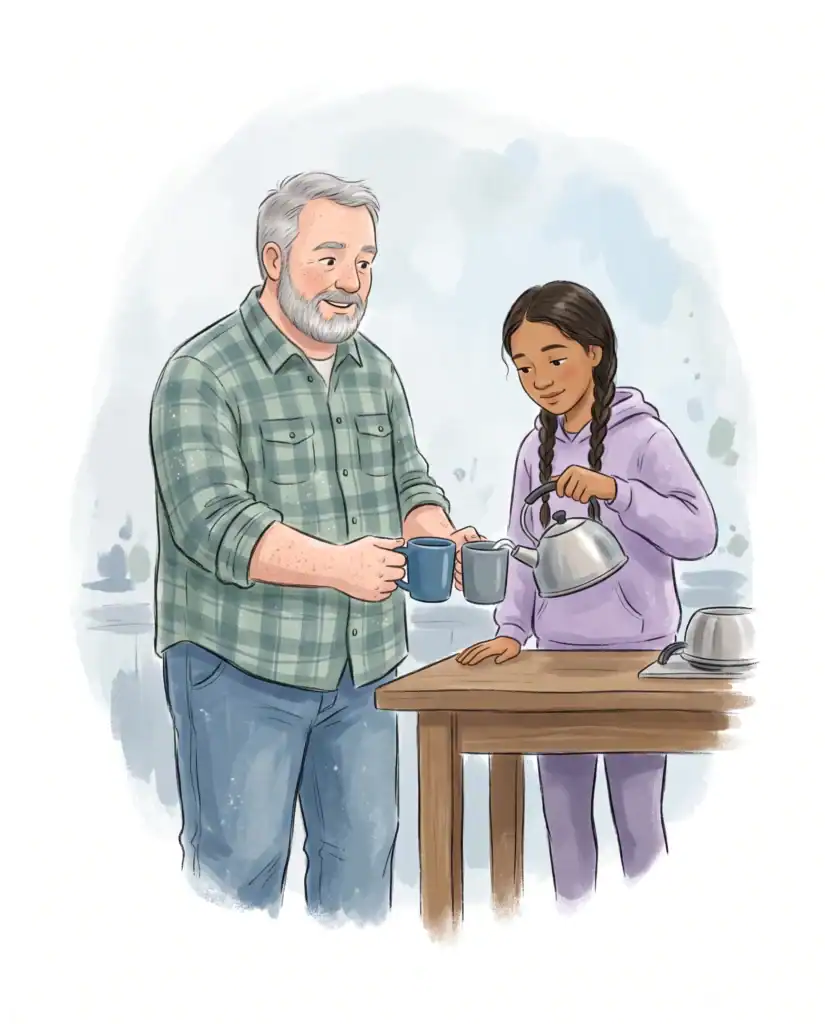
When a young person shares their LGBTQ identity, the way their family responds becomes part of their health story. Family Acceptance Project research found that high family rejection during adolescence was linked with 8.4 times the likelihood of a reported suicide attempt among LGBTQ young adults. These figures compare groups, not individuals. Acceptance points the other way and is linked with self-esteem, social support, and hope for a happy adult future. Small behaviors matter: use chosen names and pronouns, express love, welcome affirming communities, and never pursue efforts to change identity. Acceptance can coexist with honest questions. Family emotional triangles can intensify anxiety, so therapy can help families communicate directly and respond with greater flexibility. If your family needs support, we’re here, and our relationships and family guide goes deeper. In a crisis, call 911, go to the nearest ER, or call or text 988.
Couples counseling for queer and trans partners

Family acceptance shapes one part of a queer or trans person’s health story; the partnerships queer and trans adults build shape another. In couples counseling, we never treat your identities as pathology. Instead, we examine how minority stress, the cumulative wear of stigma on the nervous system, fuels conflict and distance, then help you cope as a team. Learn more about couples and family counseling.
- Affirmative framing that names cisheterocentric pressures without pathologizing your identities
- CBT-infused therapy using a sexual-minority-stress model to ease relationship distress
- Gottman-informed programs that improved communication and satisfaction in early randomized studies
- A two-session Relationship Checkup adaptation improving intimacy and depressive symptoms modestly
- Consensus guidelines for adapting Emotionally Focused Therapy to same-sex/gender relationships
Evidence remains small and preliminary, so we don’t overpromise; we pair methods with careful judgment.
How to find affirming care and build resilience

You deserve care that treats your identity as part of who you are, not a problem to fix. We suggest starting with LGBTQIA+-specific provider directories like Psychology Today, Inclusive Therapists, the LGBTQ+ Healthcare Directory, and the National Queer and Trans Therapists of Color Network. Filter by location, insurance, telehealth, and expertise, and ask community centers or trusted networks for referrals when local options feel limited.
On an introductory call, ask about a provider’s training with LGBTQIA+ clients and their approach, fees, and appointment options. Treat affirming signals, such as pronouns or inclusive statements, as prompts for questions, not proof. Notice whether you’re treated respectfully.
Then build resilience: strengthen affirming connections, practice identity affirmation, mindfulness, and boundary setting. Research links identity resilience with lower distress.
Finding LGBTQIA+ affirming mental health care in Maryland
If you’re looking for LGBTQIA+ affirming mental health care in Maryland, Blue Sails Counseling and Consulting offers in-person appointments in Bethesda and Lusby and telehealth for clients across the state. Our Providers work with adults, couples, families, and young people, and care can include therapy and psychiatric medication management. For coverage questions, see insurance and costs. To ask whether a Provider is a good fit for what you’re facing, contact our team.
Frequently asked questions
Does insurance typically cover affirming therapy sessions in Maryland?
Many health plans cover outpatient mental health care, but benefits vary by plan. Before you schedule, check your plan’s covered services, network rules, and cost-sharing, and see our insurance and costs page for how we work with plans.
Can I switch Providers if I feel judged after starting?
Yes, you can switch Providers whenever care feels judgmental. If you’re comfortable, raise the concern, and consider lining up a new Provider before ending. Put your safety first. You don’t need proof of misconduct to deserve affirming support.
Are therapy sessions confidential if I am a minor?
Mostly, with some limits. What parents or guardians can see depends on the law and your situation, and Providers must act on safety concerns such as a risk of serious harm or a child being hurt. We’ll go over the limits with you at the start.
How long does each outpatient therapy session usually last?
Session length depends on the type of visit and your plan. We’ll confirm how long your appointments run when you schedule.
Can telehealth sessions be as effective as in-person appointments?
Research suggests telehealth therapy can work about as well as in-person care for many people with depression, anxiety, and PTSD. We offer telehealth across Maryland. You’ll need a private space and a reliable internet connection.