
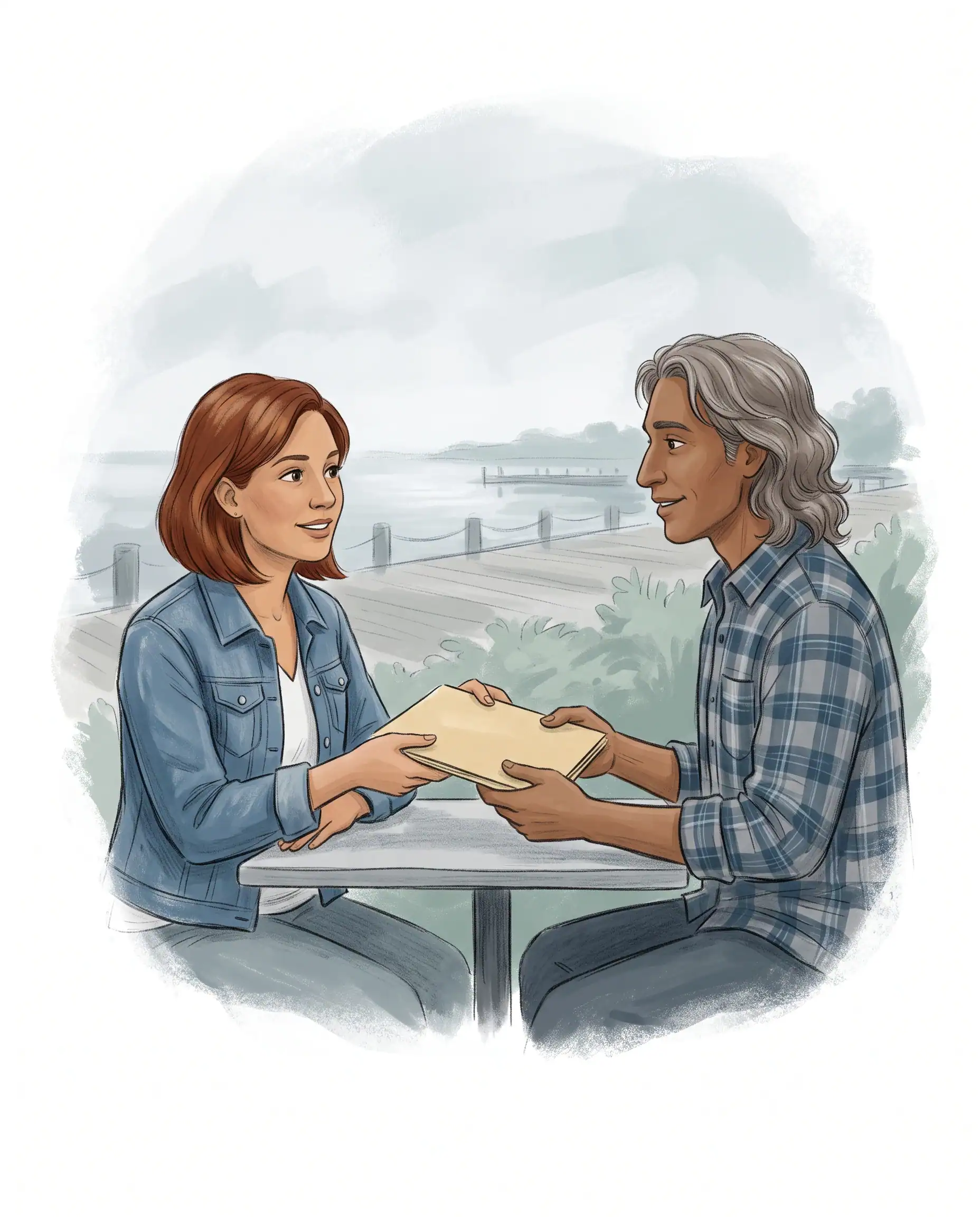
Loneliness is not a personal failing. It is a signal, a bit like hunger or thirst, that a basic need for connection is not being met. Social wellness is the part of health that covers that need: the quality of your relationships, your sense of belonging and your ability to give and receive support. This guide explains what social wellness means, how loneliness differs from social isolation, why connection matters for health, and practical ways to rebuild it. If you or someone you love is in crisis, call 911, the nearest ER, or call or text 988.
Key Takeaways
- Loneliness is the distressing gap between the connection you want and the connection you have; social isolation is an objective lack of social ties.
- The World Health Organization (WHO) reports that about one in six people worldwide is affected by loneliness, and links loneliness to an estimated 871,000 deaths each year.
- Social wellness depends more on the quality of relationships and a sense of belonging than on the number of contacts.
- Small, repeated acts of connection, shared activities and volunteering are common starting points.
- When loneliness comes with persistent low mood, anxiety or avoidance, talking with a primary care clinician or mental health provider can help.
What Is Social Wellness? A Clear Definition
The CDC describes social connection as the size and diversity of a person’s social network and roles, the functions those relationships serve, and their positive or negative qualities. Social connectedness is the degree to which you have the number, quality and variety of relationships that you want, and feel that you belong and have the support you need.
In everyday terms, social wellness usually includes:
- Quality: relationships where you feel valued and can be yourself.
- Support: people you can turn to for emotional and practical help, such as a ride to an appointment.
- Belonging and participation: feeling that you matter somewhere, and taking part rather than only being on a list.
- Give and take: being able to ask for help and to offer it.
A large network is not required. A few dependable relationships can meet many people’s needs.
Loneliness vs. Social Isolation: What’s the Difference?
The two words are often used interchangeably, but the WHO describes them differently. Loneliness is the distressing feeling that comes from a gap between desired and actual social relationships. Social isolation is an objective lack of social ties.
That difference matters. Someone can live alone, see few people and feel content. Someone else can have a busy family, office or social calendar and still feel lonely if those contacts feel shallow or unsafe. Naming which one fits your situation can point to different next steps: more contact, deeper contact, or both.
Benefits of Strong Social Wellness
Public health agencies increasingly treat social connection as part of health, not an extra. According to the CDC, social connection can help reduce the risk of heart disease, stroke, dementia, depression and anxiety, and can support stress management, healthy habits and sleep. The CDC also notes that stable, supportive relationships help people cope with stressful life challenges.
The 2023 U.S. Surgeon General’s advisory on loneliness and isolation reported that poor or insufficient social connection is associated with a 29% increased risk of heart disease and a 32% increased risk of stroke. These are associations from research, not a guarantee for any one person, but they help explain why loneliness can feel physical as well as emotional.
Signs of Poor Social Wellness
Loneliness does not always announce itself. Some signs that social wellness may need attention:
- feeling unseen or misunderstood even when around other people;
- having no one you would call with good news or a problem;
- canceling plans or avoiding invitations more often, even ones you used to enjoy;
- spending long stretches scrolling instead of talking with people;
- feeling more irritable, tired or low after time alone;
- a recent move, breakup, loss, retirement or job change that cut off your usual contacts.
Life transitions are a common trigger. The CDC lists health issues, divorce and the death of a loved one as experiences that can be very challenging and can leave people feeling disconnected.
How to Improve Social Wellness: 7 Practical Steps
Rebuilding connection usually happens in small steps rather than one big change. Drawing on CDC suggestions for improving social connectedness:
- Schedule contact. Put a weekly call, text or coffee with someone who cares about you on the calendar, the same way you would a meeting.
- Reach out first. A short check-in (“thinking of you, how is your week going?”) is often welcome and easy to answer.
- Join a group with a shared interest. A walking group, class, choir, sports league or faith community gives you repeated contact with the same people.
- Give and receive help. Ask for small favors and offer them. Both build trust.
- Get to know neighbors. Brief, regular hellos can grow into dependable local ties.
- Share what you already do. Invite someone to exercise, cook or run errands with you.
- Watch screen time. Use messaging to set up in-person or voice contact rather than replace it.
Not every attempt will lead to a friendship, and that is normal. Notice what feels comfortable, and keep showing up.
Volunteering and Shared Purpose
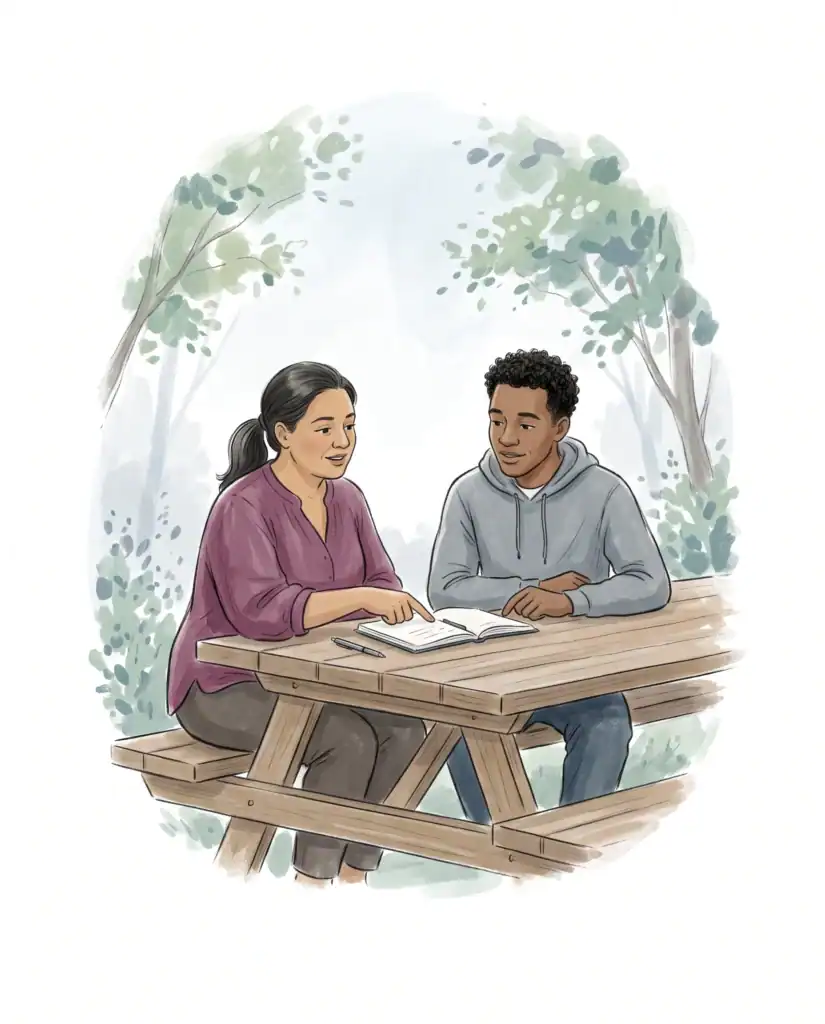
The CDC lists volunteering, getting involved in your community and joining a community garden among ideas for making social connections. Working side by side on a shared task can feel easier than face-to-face small talk, especially for people who feel awkward in purely social settings. Libraries, parks and recreation departments, faith communities, schools and local nonprofits often post volunteer roles and events. Start with something short and repeatable so the same faces become familiar.
Everyday Routines That Build Connection
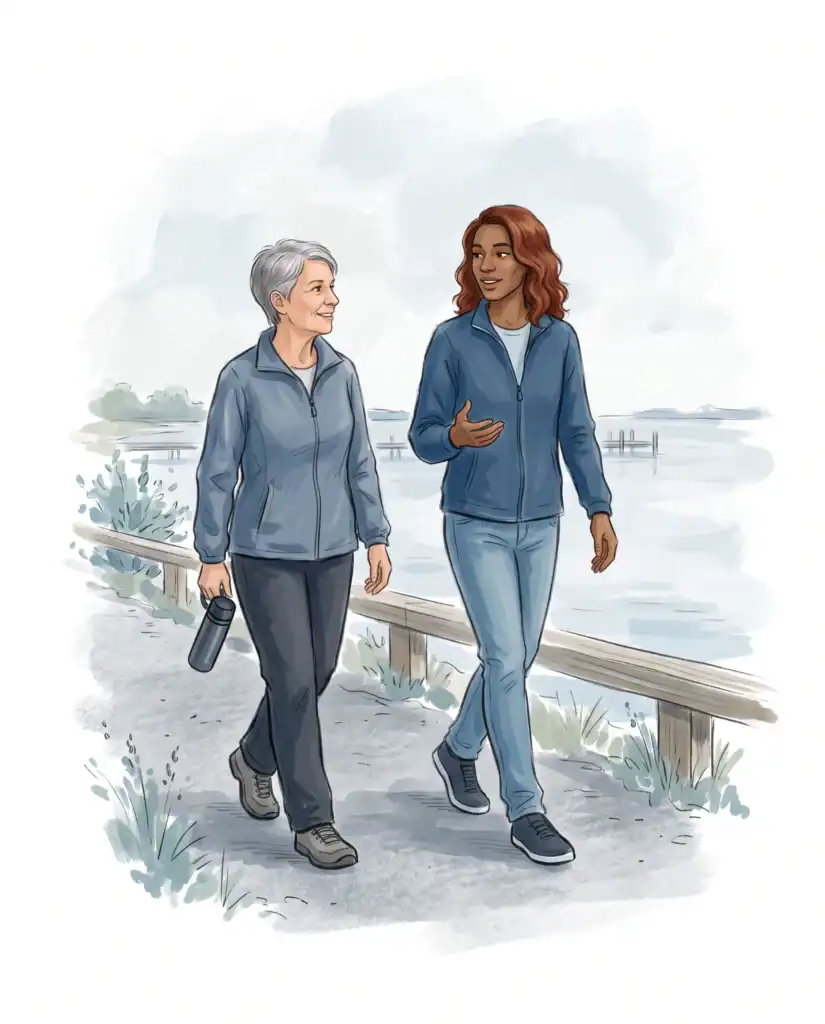
Connection tends to grow from repeated, low-pressure contact. A few ways to build it into a normal week:
- walk with a friend or neighbor at the same time each week;
- become a regular at a café, gym class or library program;
- share a meal with family or friends without phones at the table;
- spend time with others outdoors, which the CDC also suggests;
- send one message of thanks each week; the CDC notes that expressing gratitude supports connection.
For more on self-compassion and values-based self-care, see authentic self-care, boundaries and self-compassion.
Social Wellness Examples: What It Looks Like Day to Day
- A remote worker sets up a weekly coworking morning at the library with two colleagues.
- A recently divorced parent joins a weekend running group and starts carpooling with another parent.
- A retiree volunteers twice a month at a food pantry and stays for lunch with the crew.
- A young adult who moved for work texts one old friend each Sunday and joins a recreational league.
None of these require a large network. Each one adds repeated contact, a shared purpose or a chance to help.
PCS Moves: Rebuilding Community After Relocation
Military families often move every few years, which can mean rebuilding friendships, routines and support from scratch. Military OneSource offers moving and PCS resources. Some steps that may help after a move:
- connect with unit, spouse or family readiness groups early, before routines settle;
- look for one recurring activity for each family member, such as a team, club or class;
- keep in touch with friends from the last duty station while you build new ties.
For more on military family stress, see the veteran and military mental health guide.
When Social Anxiety Keeps You Stuck
For some people, the barrier is not opportunity but fear: worry about being judged, replaying conversations, or avoiding events altogether. When anxiety drives avoidance, isolation can grow, and isolation can make the anxiety feel stronger. Cognitive behavioral therapy (CBT) and acceptance and commitment therapy (ACT) are approaches commonly used to work on anxious thoughts and avoidance, often by practicing feared situations gradually. For an overview, see CBT and ACT therapy.
Group Therapy: A Safe Place to Practice Connection
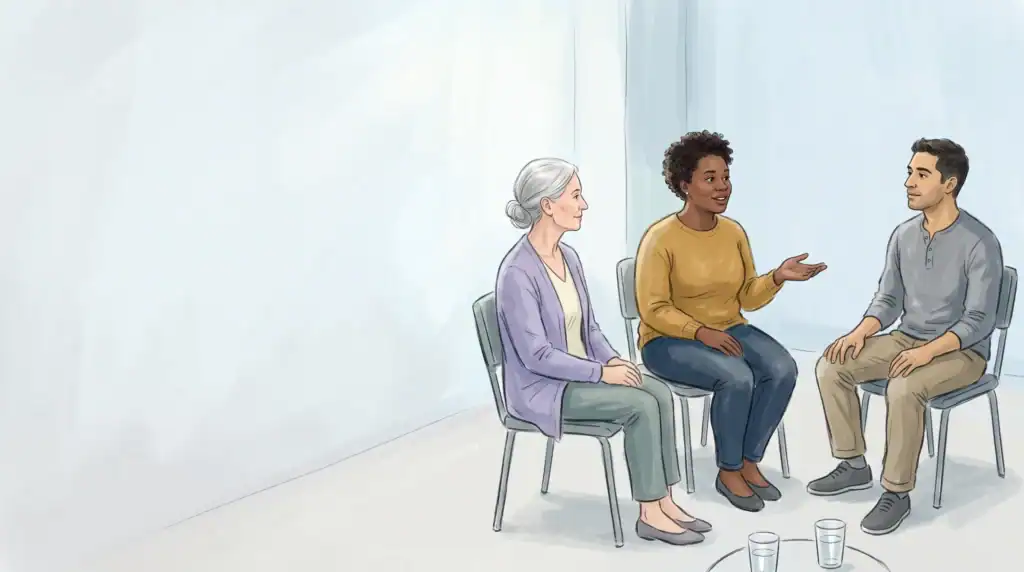
Group therapy brings together a small number of people with a clinician who guides the conversation. For people who feel lonely or anxious around others, a group can offer a structured place to practice speaking up, listening and giving and receiving feedback, and to notice that others share similar struggles. Groups are not a fit for everyone, and a provider can help you decide whether group, individual or combined care makes sense. Learn more about clinician-led group therapy.
When to Get Professional Support
Consider talking with a primary care clinician or a licensed mental health provider if loneliness:
- comes with low mood, loss of interest, or changes in sleep or appetite that last for weeks;
- is tied to anxiety that keeps you from going places or seeing people;
- follows a loss, divorce, move or other major change that still feels overwhelming;
- leads to leaning on alcohol or other substances to cope;
- is straining relationships at home or at work.
Blue Sails offers outpatient therapy in Maryland, including individual outpatient therapy, group therapy, statewide Maryland telehealth counseling and couples and family counseling. Coverage varies by plan and service; see insurance and costs. To get started, visit client intake. If you or someone you love is in crisis, call 911, the nearest ER, or call or text 988.
For an overview of anxiety, stress, burnout and self-care, and when an evaluation may help, see the anxiety guide. For relationships and family connection, see the relationships, family and teens guide.
Frequently Asked Questions
What is social wellness?
Social wellness is the part of health that covers your relationships and sense of belonging. It includes the quality of your relationships, the support you can give and receive, and taking part in groups or communities that matter to you.
Is loneliness the same as being alone?
No. Loneliness is the distressing feeling of a gap between the connection you want and the connection you have. Social isolation is an objective lack of social ties. A person can be alone without feeling lonely, or feel lonely around other people.
Does social media help or hurt loneliness?
It depends on how it is used. Messaging that leads to calls or in-person time can support connection. The CDC suggests not letting screen time distract you from connecting with people in person.
Is spending time alone bad for you?
Not necessarily. Many people value solitude and use it to rest. It becomes a concern when time alone is not chosen, feels distressing, or crowds out the relationships you want.
Does insurance cover counseling for loneliness?
Coverage varies by plan and service. Loneliness often shows up alongside concerns like anxiety, depression or a major life change, and a provider can assess what is going on. Blue Sails confirms benefits before you start.
Sources
Sources: World Health Organization — Social connection linked to improved health and reduced risk of early death (June 30, 2025), U.S. Department of Health and Human Services — Surgeon General advisory on loneliness and isolation (2023), CDC — Social Connection, CDC — Improving Social Connectedness, Military OneSource — PCS & Moving Support.