
Mood is shaped by the brain, but the brain does not work alone. Sleep, daily rhythms, movement, food and the bacteria that live in the gut all interact with the systems that regulate stress and emotion. Psychiatric care that looks at those pieces together means considering them alongside therapy and, when appropriate, medication. This guide explains what research suggests, where the evidence is still early, and practical habits to discuss with your provider. If distress ever feels unbearable, call 911, the nearest ER, or call or text 988.
Key Takeaways
- The gut and brain communicate through nerves, hormones and the immune system, often called the gut-brain axis. Research is active, but much of it is still early.
- Sleep and mood affect each other. The CDC recommends 7 or more hours of sleep for adults ages 18 to 60 and lists habits that support better sleep.
- Regular movement can support mood; the National Institute of Mental Health (NIMH) notes that just 30 minutes of walking a day can help.
- Diet quality and mood are linked in research, and early trials are encouraging, but food is not a replacement for treatment.
- Probiotics and supplements are not proven treatments for depression or anxiety. Talk with your prescriber before starting or stopping anything.
What Is the Gut-Brain Axis?
The gut-brain axis describes two-way communication between the digestive system and the brain. Signals travel along the vagus nerve, through stress hormones and through the immune system. That is one reason anxiety can tighten the stomach, and why digestive problems can affect energy and mood.
The gut is also home to trillions of microorganisms, collectively called the microbiome. According to the National Center for Complementary and Integrative Health (NCCIH), the microbiome is a major focus of research, and scientists are exploring links between changes in the microbiome and various diseases. Researchers are studying whether gut microbes influence brain chemistry and inflammation in ways that matter for mental health. Many of these findings come from animal studies or small human studies, so they point to questions, not settled answers.
Foods That Feed Gut Microbes

Gut bacteria feed largely on what reaches the large intestine, especially fiber. Eating patterns that are commonly associated with a more varied microbiome include:
- vegetables, fruits and legumes such as beans and lentils;
- whole grains instead of mostly refined grains;
- nuts, seeds and olive oil;
- fish a few times a week;
- fermented foods such as yogurt, if they agree with you.
These are general healthy-eating ideas, not a treatment plan. If you have a medical condition, food allergies or a history of disordered eating, check with your clinician or a registered dietitian before changing your diet.
Mediterranean Diet and Mood: What the Trials Show
Observational studies have linked diets higher in plant foods, whole grains and fish with lower rates of depression, but those studies cannot prove cause and effect. A small randomized trial, the SMILES trial (2017), tested 12 weeks of dietitian support for a modified Mediterranean-style diet as an add-on for adults with moderate to severe depression, most of whom were already in therapy or taking medication. The diet group showed greater improvement in depression symptoms than a social-support comparison group. The authors described the results as preliminary and called for larger studies.
The takeaway is modest: improving overall diet quality may be a helpful addition to care for some people. It does not replace therapy or medication, and no single food treats depression.
Fiber, Microbiome Diversity, and Emerging Evidence vs. Causation
Headlines often jump from “linked to” to “causes.” When reading about gut health and mood, a few questions help:
- Was it in people or animals? Many microbiome findings come from mice.
- Was it an association or a trial? People who eat more fiber may also sleep better, move more or have more support, which can all affect mood.
- How big was the study? Small studies are a starting point, not proof.
- Which way does it run? Depression can change appetite and food choices, so the link may go in both directions.
Probiotics for Mental Health: Hype vs. Evidence
Probiotics are live microorganisms intended to have health benefits. The NCCIH notes that different strains may have different effects, that much remains unknown about which probiotics help and for whom, and that many probiotics are sold as dietary supplements, which do not need FDA approval before they are marketed. Research on probiotics for mood is ongoing, and results so far are mixed.
Probiotics are not an established treatment for depression or anxiety. The NCCIH advises not using probiotics as a reason to postpone seeing a health care provider, and talking with your provider before starting a probiotic supplement, especially if you have health problems.
Exercise for Depression and Anxiety
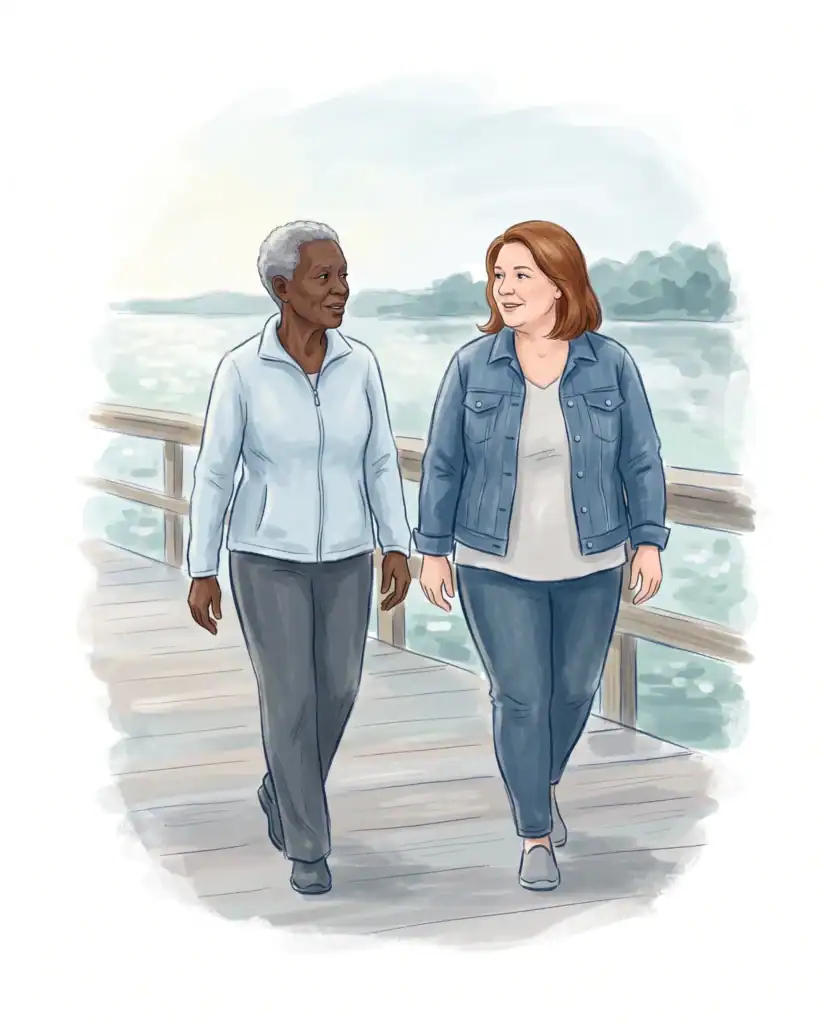
Physical activity is one of the most accessible lifestyle habits that may support mood. The NIMH lists regular exercise as a self-care step and notes that just 30 minutes of walking every day can boost mood and improve health, and that small amounts add up. Movement does not have to be intense. Walking, cycling, swimming, yoga, dancing or strength training can all count.
Depression can make starting hard. Behavioral activation, a part of some therapy approaches, breaks activity into small, scheduled steps. For more, see depression treatment options, including behavioral activation.
Why Sleep and Circadian Rhythm Matter for Mood

Circadian rhythms are the body’s roughly 24-hour cycles. The National Institute of General Medical Sciences explains that light and dark have the biggest influence on these rhythms, and that food intake, stress, physical activity and social environment also affect them. The same source notes that long-term sleep loss and continually shifting rhythms can increase the risk of mood disorders, and that shift work, jet lag and light from devices at night can disrupt the body clock.
The CDC lists habits that can improve sleep:
- going to bed and getting up at the same time every day;
- keeping the bedroom quiet, relaxing and cool;
- turning off electronic devices at least 30 minutes before bed;
- avoiding large meals and alcohol before bedtime, and caffeine in the afternoon or evening;
- exercising regularly and eating a healthy diet.
If sleep problems persist, talk with a provider. Cognitive behavioral therapy for insomnia (CBT-I) is a structured, non-medication approach, and a provider can also check for sleep disorders. For how sleep changes can show up in depression, see physical symptoms of depression.
Could Thyroid, Iron, or Vitamin D Affect Mood?
Some medical conditions can cause fatigue, low mood, poor concentration or sleep changes that look like depression or make it worse. Thyroid problems and low iron are common examples. Research on vitamin D and mood has produced mixed results. Supplements are not a substitute for treatment, and taking high doses on your own can cause harm. A primary care clinician or psychiatric provider can discuss whether lab work is appropriate for you.
Can Psychiatric Medications Affect the Gut?
Some psychiatric medications can cause digestive side effects such as nausea, changes in appetite or changes in bowel habits, especially when starting or changing a dose. Researchers are also studying whether some medications change the gut microbiome, but what that means for treatment is not yet clear. If you notice side effects, tell your prescriber rather than stopping a medication on your own. For more, see understanding antidepressants and anti-anxiety medications.
How Lifestyle Fits With Medication and Therapy
Lifestyle habits work best as part of a plan, not as a test of willpower. In practice, that might look like:
- a psychiatric evaluation that asks about sleep, appetite, activity, alcohol, caffeine and medical history;
- therapy, such as cognitive behavioral therapy (CBT), to build routines and work through barriers;
- medication management, when appropriate, with regular check-ins about side effects such as sleep or appetite changes;
- coordination with a primary care clinician for medical concerns.
For how therapy and medication can work together, see combining talk therapy and medication management.
A Simple Daily Routine for Gut-Brain Health
- Morning: get up at a consistent time and spend a few minutes outdoors in daylight.
- Meals: eat at fairly regular times and add one plant food, such as beans, vegetables or fruit, to each meal.
- Midday: take a 10- to 30-minute walk, alone or with someone.
- Afternoon: switch to caffeine-free drinks.
- Evening: keep dinner lighter, limit alcohol and put screens away at least 30 minutes before bed.
- Bedtime: a short wind-down, such as slow breathing or reading. For grounding skills, see clinical mindfulness and nervous system regulation.
Start with one or two changes rather than all of them at once.
Talk to Your Prescriber Before Making Changes
Before starting supplements, probiotics, a new diet or a major exercise program, check with your prescriber or primary care clinician, especially if you take medication, are pregnant or have a medical condition. Some supplements interact with psychiatric medications. Never stop or change a prescribed medication without talking to your prescriber first.
The NIMH recommends seeking professional help for severe or distressing symptoms that have lasted two weeks or more, such as difficulty sleeping, changes in appetite, loss of interest in usual activities or trouble concentrating.
How Blue Sails Supports Whole-Person Mental Health
Blue Sails offers psychiatric evaluations, medication management and outpatient therapy, including CBT and ACT. Providers can talk through sleep, activity and other daily habits as part of care. For what a first psychiatric visit covers, including sleep and physical health, see what happens in a 60-minute psychiatric evaluation. Coverage varies by plan and service; see insurance and costs. To get started, visit client intake. If you or someone you love is in crisis, call 911, the nearest ER, or call or text 988.
For an overview of therapy types, psychiatric care and levels of care, see the therapy and medication guide. For more on depression, see the depression guide.
Frequently Asked Questions
Can changing my diet cure depression?
No diet has been shown to cure depression. Research links overall diet quality with mood, and one small trial found added benefit from dietitian-guided eating changes for adults already in care, but diet is best seen as one part of a plan that may include therapy and medication.
Should I take probiotics for anxiety or depression?
Probiotics are not an established treatment for anxiety or depression, and different strains can have different effects. The NCCIH advises talking with your health care provider before starting a probiotic supplement and not using one as a reason to delay care.
How much sleep do adults need for mood?
The CDC recommends 7 or more hours of sleep a night for adults ages 18 to 60, and 7 to 9 hours for ages 61 to 64. Quality matters too: trouble falling asleep, waking often or feeling tired after enough sleep are worth mentioning to a provider.
Does exercise help depression?
Regular physical activity can support mood. The NIMH notes that just 30 minutes of walking a day can boost mood and improve health. Exercise works best alongside other care when depression is present, not as a replacement for it.
Are fecal microbiota transplants a treatment for depression?
No. Fecal microbiota transplants are being studied in research settings, but they are not an established treatment for depression or other mental health conditions.
Sources
Sources: NIMH — Caring for Your Mental Health, CDC — About Sleep, National Institute of General Medical Sciences — Circadian Rhythms, NCCIH — Probiotics: Usefulness and Safety, Jacka et al., BMC Medicine (2017) — the SMILES trial.