
Autism is a neurodevelopmental condition that involves differences in social communication and patterns of behavior, interests, or sensory experience. Many autistic people and families also use the language of neurodiversity: the idea that these differences are part of human variation, not a character flaw, even when support is genuinely needed. This guide looks more closely at sensory worlds, communication styles, masking, and autistic burnout.
If you are in crisis or thinking about harming yourself, call 911, the nearest ER, or call or text 988.
This is a neutral educational overview, not a diagnosis. For what neurodivergence means, how evaluation works, and how to start, see the neurodivergence and ADHD guide. For how support needs are described in DSM-5-TR, see autism support levels 1, 2, and 3. For how Blue Sails structures services, see autism services.
Key Takeaways
- Neurodiversity is an umbrella and identity idea, not a DSM-5-TR diagnosis. Autism is a specific condition with its own criteria.
- Sensory differences are common in autism. People may seek, avoid, notice, or under-register input, and the pattern can change across senses and settings.
- Occupational therapy often discusses more than the five familiar senses, including balance, body position, and internal body signals.
- Autistic communication is often more direct and literal. Misunderstandings can run both ways; that idea is sometimes called the double empathy problem.
- Masking or camouflaging can help someone get through a social setting and still leave them exhausted. It has been linked with higher anxiety and depression in research, without proving it is the only cause.
- Autistic burnout describes deep exhaustion and reduced capacity after prolonged demand. Recovery usually starts by lowering demands and adding real support, not by trying harder.
What Neurodiversity Means Alongside an Autism Diagnosis
The Centers for Disease Control and Prevention describes autism spectrum disorder as a developmental disability that can cause significant social, communication, and behavioral differences, with a wide range of support needs. The National Institute of Mental Health likewise describes differences in social communication and interaction, together with restricted or repetitive behaviors or interests. Sensory hyperreactivity or hyporeactivity can be part of that picture.
Neurodiversity language sits alongside those clinical descriptions rather than replacing them. Preferring identity-first or person-first wording is a personal and family choice. A useful conversation can begin with strengths, sensory preferences, communication, and environmental barriers, without treating every difference as a problem to erase. The neurodivergence and ADHD guide covers that broader frame, including AuDHD and changing support needs across the lifespan.
How Autistic Traits Can Look From Early Childhood to Adulthood
In young children, families may notice differences in social communication, play, sensory responses, or a strong preference for familiar routines. In school years, the same child may work very hard to copy classmates and then collapse at home. Many girls and some boys are recognized later because their traits are quieter or camouflaged; how autism can present differently in girls explains how masking and mimicry can hide signs.
Adolescence can bring new social rules, puberty, and heavier academic demand. Many adults are first identified after years of coping, sometimes after a child’s evaluation or a change at work. Later identification does not make the pattern less real. Support needs tend to change shape rather than disappear.
The Sensory Systems Behind Autistic Perception
Everyday life is a stream of sound, light, texture, movement, and internal body signals. For many autistic people, those signals arrive more intensely, more faintly, or in a mix that changes by setting. Someone may love spinning or deep pressure and still cover their ears in a cafeteria. Someone else may not notice a name being called or a scraped knee, yet find a shirt tag unbearable.
DSM-5-TR includes hyperreactivity, hyporeactivity, or unusual sensory interests as possible features of autism. It does not list a numbered set of eight senses. In occupational therapy, clinicians often talk about more than the five familiar senses:
- The familiar five: sight, hearing, touch, taste, and smell.
- Vestibular sense: balance, motion, and where the head is in space.
- Proprioception: body position and force, often fed by muscles and joints.
- Interoception: internal signals such as hunger, thirst, pain, temperature, or a racing heart.
A profile is more useful than a one-word label such as “seeker” or “avoider.” The same person can show different patterns across senses. For how these differences can be mistaken for ADHD or anxiety in children, see ADHD, anxiety, and sensory overload in children. For therapy that looks at daily activities and sensory barriers, see pediatric occupational and sensory therapy.
When Everyday Input Overwhelms or Barely Registers
Hyperreactivity means ordinary input can feel like too much: fluorescent lights, overlapping conversations, perfume, unexpected touch, or a food texture. The response might be covering ears, leaving the room, irritability, or a shutdown that looks like withdrawal. Hyporeactivity means input barely registers. A person may seek louder sound, stronger flavors, or more movement, or may not notice internal cues until they are urgent.
Neither pattern is willful. Reducing surprise, offering recovery time, and matching supports to the actual sense involved — quieter spaces, movement breaks, predictable clothing, or help noticing hunger — often helps more than asking someone to “just tolerate it.” What regulates one person can overwhelm another.
Autistic Communication Styles: Direct, Literal, and Valid
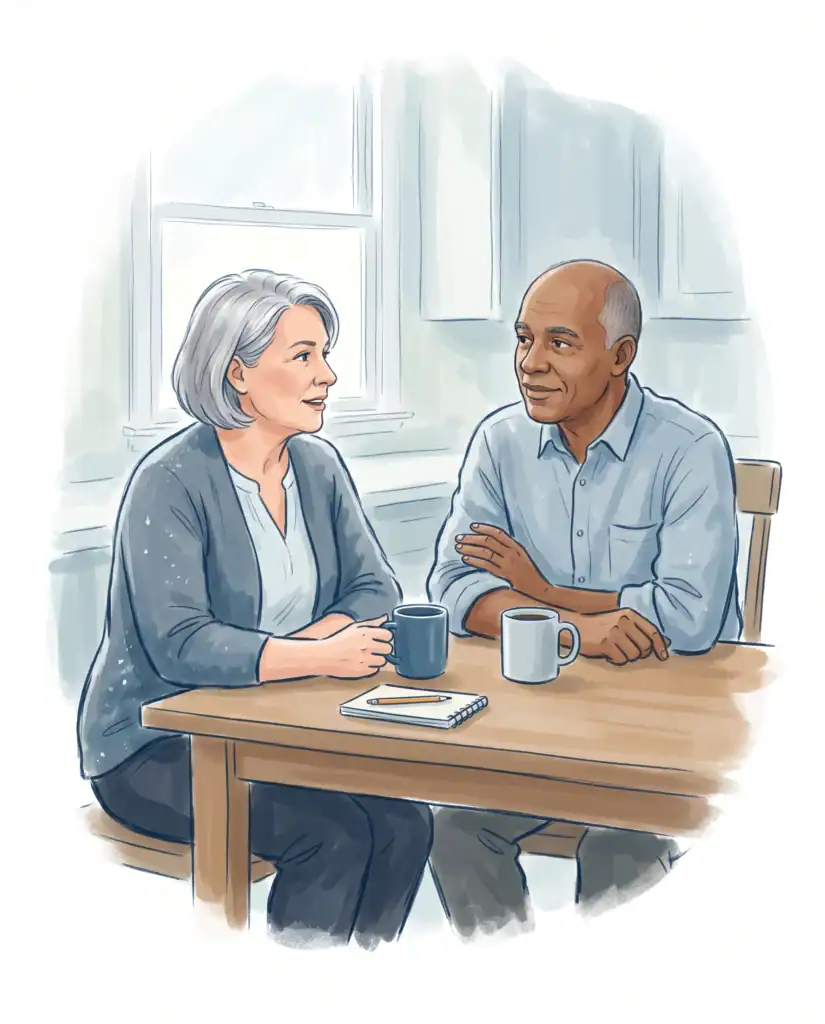
Many autistic people prefer language that is specific and sincere. Hints, sarcasm, and shifting small-talk rules can be tiring to decode. Literal processing is not a lack of intelligence. It is a different default: words are taken to mean what they say unless the context is made explicit.
The “double empathy problem” is a way of describing mutual misunderstanding. Communication can break down between autistic and non-autistic people because each side is using different assumptions, not because empathy exists on only one side. Autistic-to-autistic conversation is often described as easier for the same reason. Slowing down, saying what you mean, and allowing extra processing time before an answer is expected are practical bridges.
Eye contact is another common pressure point. Some autistic people look away in order to listen and think. Forced eye contact can raise arousal rather than prove attention. Written follow-up, email, or extra time before a reply can be more accurate than a rapid face-to-face exchange. Alternate formats are accommodations, not a lesser form of communication.
What Masking and Camouflaging Look Like
Masking is the everyday word; camouflaging is the term much of the research uses. Both describe strategies that make autistic traits less visible: rehearsing scripts, copying a classmate’s expressions, suppressing stimming, forcing a smile, or staying quiet about an intense interest. These strategies can be learned so early that they no longer feel like a choice.
People mask for safety, belonging, and to avoid stigma or missed opportunities. The cost can include exhaustion, a blurred sense of self, and delayed identification. Research has found associations between heavier camouflaging and higher anxiety, depression, and social anxiety. Associations are not the same as proof that camouflaging is the only cause, and they should not be read as a reason to blame someone for coping. If masking has been paired with hopelessness or thoughts of self-harm, call 911, the nearest ER, or call or text 988.
Unmasking is not a single decision to “stop pretending.” It is usually gradual, and it should stay safe. A person may unmask more at home than at work, or with one friend before a larger group. For how camouflaging can hide autism in girls, see how autism can present differently in girls.
Autistic Burnout: When Demand Outpaces Support
Autistic burnout is a widely used description of what happens when chronic stress, masking, sensory load, and life demands outrun recovery for a long stretch. Researchers and autistic adults often describe pervasive exhaustion, reduced ability to do things that used to be manageable, and stronger sensory sensitivity. It is not a formal DSM-5-TR diagnosis. It is also not the same as ordinary tiredness or workplace burnout alone, though those can overlap.
Workplace burnout, as defined by the World Health Organization, is an occupational phenomenon tied to chronic unmanaged work stress. Autistic burnout can include work, but it can also grow from social performance, sensory environments, and the daily cost of camouflaging. Depression can look similar and can occur at the same time, so a clinician should sort the picture rather than treating the words as interchangeable.
Recovery usually begins when demands drop and support rises — fewer stacked obligations, more recovery time, sensory adjustments, and help with tasks that have become suddenly harder. That is not a promise of a timeline, and it is not a reason to withdraw needed care. If exhaustion includes hopelessness or thoughts of suicide, call 911, the nearest ER, or call or text 988.
Evaluation and Support, Without a One-Size Plan
There is no single test for autism. A careful evaluation reviews developmental history, communication and social patterns across settings, sensory and repetitive behaviors, and other explanations such as ADHD, anxiety, or learning differences. Some evaluations include structured observation tools; no online quiz replaces that process. The neurodivergence and ADHD guide explains how autism and ADHD are evaluated and what to gather beforehand.
Support is matched to the person. That may include occupational therapy for daily living and sensory barriers, skills-based therapy, school or workplace accommodations, family education, or an early-intervention autism program when a young child needs developmental support. Blue Sails does not operate a drop-off autism facility. Adults looking for ongoing care can start with adult psychotherapy and psychiatric support. Families seeking a formal assessment can read about autism evaluations and diagnosis. A separate educational overview of funding autism testing in Maryland covers common coverage questions without replacing a benefits check. Individual therapy with a Provider experienced in neurodivergence-affirming therapy is another way to work on masking fatigue, communication, and recovery support. For service details and how to start, see autism services.
Frequently Asked Questions
What is autistic masking?
Masking, often discussed under the research term camouflaging, means reducing how noticeable autistic traits are in social situations. That can include copying expressions, forcing eye contact, or holding back a favorite interest. It can be conscious or unconscious, and it can be exhausting over time.
What is autistic burnout, and is it the same as depression?
Autistic burnout is a community and clinical description of deep exhaustion, reduced capacity, and often stronger sensory sensitivity after prolonged demand and too little support. It is not a formal DSM-5-TR diagnosis and it is not the same thing as depression, though the two can overlap and each deserves careful assessment.
Can autistic burnout happen in children?
Yes. Children and teens can become exhausted when school, social, and sensory demands stay high for a long time without enough recovery. Signs may include more meltdowns or shutdowns, loss of skills that were previously reliable, or a sharp drop in tolerance for noise, clothing, or transitions.
What are the eight sensory systems often discussed in autism?
Besides the five familiar senses, occupational therapists often discuss vestibular sense (balance and movement), proprioception (body position), and interoception (internal signals such as hunger, pain, or a racing heart). DSM-5-TR notes hyperreactivity, hyporeactivity, or unusual sensory interests as possible features of autism; it does not itself list eight numbered systems.
How can families reduce sensory overload at home?
Helpful changes are specific to the person: lowering background noise, offering quiet recovery time after school or work, allowing movement or pressure input that regulates, and reducing surprise transitions. What soothes one person may overwhelm another, so it helps to watch patterns rather than apply a generic checklist.
Sensory worlds, communication differences, masking, and burnout are not proof that someone is failing. They are patterns that become easier to work with once they have names. For the broader overview and how to start, see the neurodivergence and ADHD guide. If you are in crisis or thinking about harming yourself, call 911, the nearest ER, or call or text 988.