
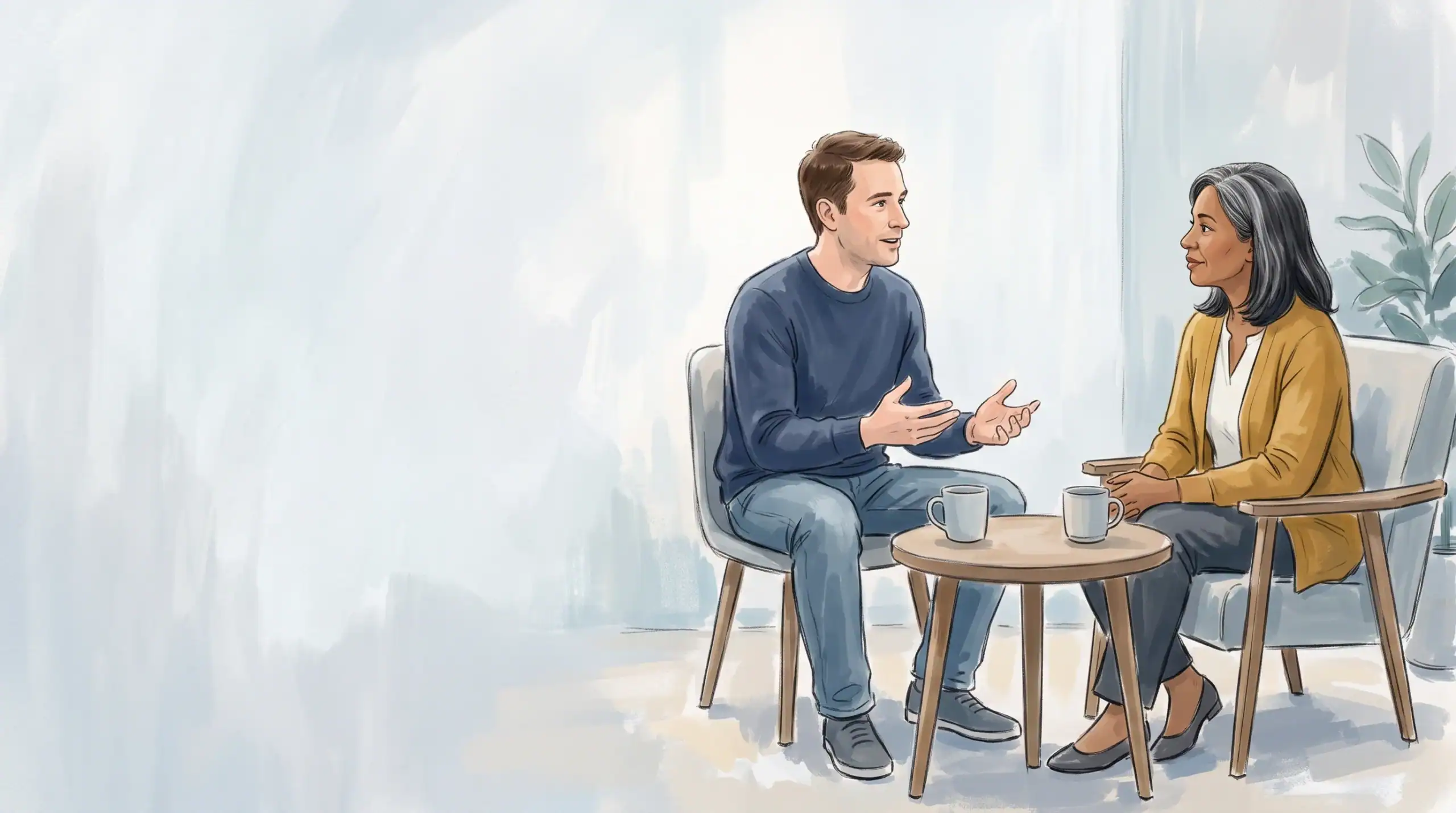
Recovery from a substance use disorder is rarely a straight line. Treatment tends to help more when it plans for the hard moments ahead of time: the stressful day, the old friend, the sleepless night. This guide explains how addiction treatment approaches relapse prevention, including motivational interviewing, cognitive behavioral therapy (CBT), urge surfing, sleep, family support and medication, and how to put it all into a written plan. It is educational and not a substitute for an evaluation. If you are in crisis, call 911, the nearest ER, or call or text 988.
Key Takeaways
- A return to use after a period of recovery is a signal to adjust the treatment plan, not proof that treatment failed.
- Motivational interviewing helps people find their own reasons for change without pressure or shame.
- CBT maps the situations, thoughts and feelings that lead to use and builds specific coping skills for each one.
- Simple checks like HALT (hungry, angry, lonely, tired) and skills like urge surfing help people get through cravings.
- For some substances, especially opioids and alcohol, medication combined with counseling is part of standard care.
Why a Return to Use Is a Signal, Not a Failure
According to the National Institute on Drug Abuse, addiction is a chronic condition, and relapse rates for drug use are similar to rates for other chronic medical illnesses such as high blood pressure and asthma. A return to use can be part of the process for some people. NIDA also notes that treatment for addiction, like treatment for other chronic conditions, is a way of managing the condition over time.
Seen this way, a lapse is information. It points to a trigger the plan did not cover, a skill that needs more practice, or a change in support that is needed. Many plans separate a lapse (a brief slip) from a relapse (a return to the old pattern), because responding quickly to a lapse can keep it from becoming a relapse.
Motivational Interviewing: Finding Your Own Reasons to Change
Motivational interviewing (MI) is a collaborative conversation style. Instead of lecturing or pushing, the provider asks open questions, reflects back what they hear and helps the person weigh the pros and cons of change in their own words. Feeling two ways about change is normal, and MI treats that mixed feeling as a starting point rather than resistance.
Many people move through stages: not yet considering change, thinking about it, preparing, taking action and maintaining progress. Someone can move back and forth between stages. Knowing where you are helps you and your provider choose the next realistic step, whether that is tracking use for a week or setting a quit date.
Map Your Triggers With CBT
CBT for substance use starts by looking closely at what happens before and after use. Together with a provider, you map:
- Situations: places, people, times of day or events linked to use.
- Thoughts: for example, “I deserve this after today” or “one won’t matter.”
- Feelings and body states: stress, boredom, anger, loneliness, pain or poor sleep.
- Consequences: what use seemed to solve in the short term and what it cost later.
From that map, you build skills for the highest-risk moments: challenging permission-giving thoughts, planning a different response, practicing how to turn down an offer, and solving the practical problems that make use more likely. NIDA lists cognitive behavioral therapy among the behavioral therapies used to treat substance use disorders.
Hungry, Angry, Lonely, Tired: The HALT Check
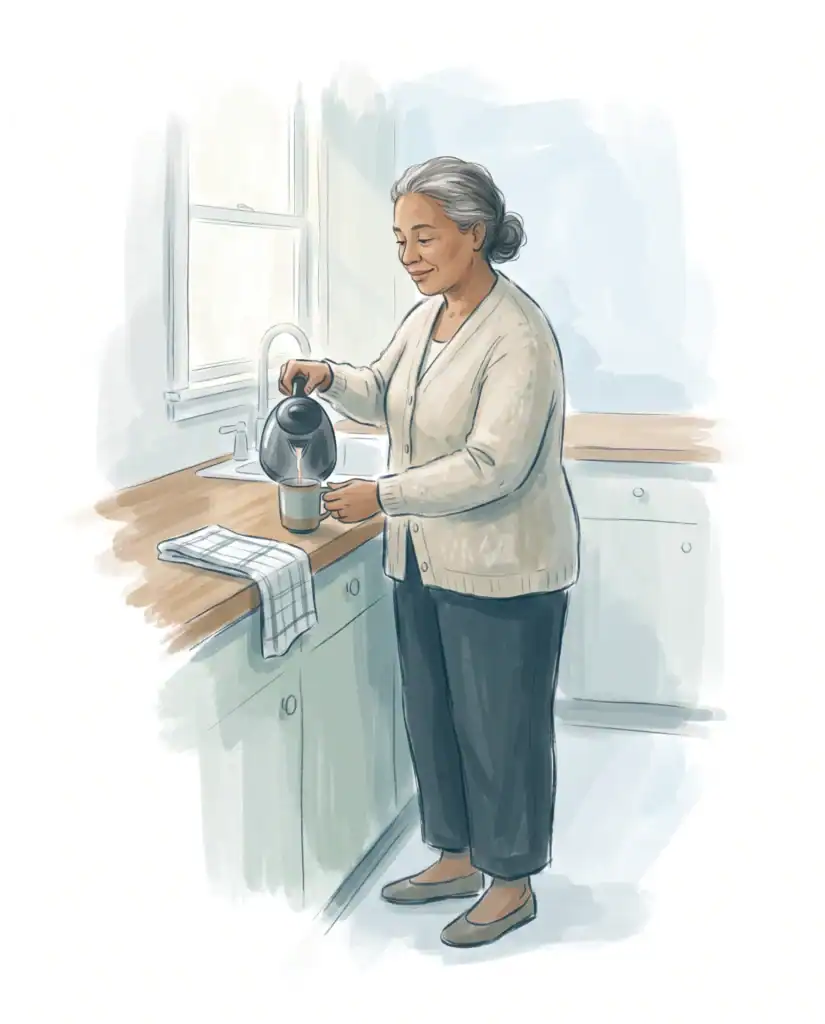
HALT is a simple self-check used in many recovery programs. When a craving shows up, pause and ask whether you are hungry, angry, lonely or tired. Each of these states can make urges stronger and decisions harder. The fix is often basic: eat something, name the anger and talk it through with someone you trust, reach out to a supportive person, or rest. HALT does not replace a full plan, but it is easy to remember in a hard moment.
Urge Surfing: Riding Out Cravings

Cravings tend to rise, peak and fall, much like a wave. Urge surfing is a mindfulness skill that helps people notice a craving without acting on it. You sit with the urge, notice where you feel it in your body, rate its strength and watch how it changes over several minutes. Over time, people often find that cravings pass on their own and lose some of their pull. Urge surfing is most useful alongside other strategies, such as leaving a risky situation or calling a support person.
Sleep and Relapse Risk
Poor sleep and substance use often go together. Some people use alcohol or other substances to fall asleep, and sleep problems are common in early recovery. Tiredness can also make cravings and low mood harder to manage. Helpful steps include a regular wake time, limiting caffeine later in the day, a wind-down routine and keeping screens out of bed. If insomnia continues, tell your provider, because persistent sleep problems may need their own treatment.
Treating Mental Health and Substance Use Together
Depression, anxiety, trauma and ADHD often occur alongside substance use, and untreated symptoms can make a return to use more likely. Care that addresses both at the same time is generally recommended. For a closer look, see substance use disorder and dual diagnosis recovery.
Rebuilding Trust and Setting Boundaries at Home
Substance use often strains relationships, and family members may feel worried, angry or exhausted. Rebuilding trust usually happens through consistent actions over time rather than promises. Families can help by learning about the condition, setting clear and calm boundaries, avoiding covering up for use and looking after their own well-being. Family counseling can give everyone a place to talk and plan together.
Medication as Part of Treatment
NIDA notes that for opioid use disorder, medication should be the first line of treatment, usually combined with behavioral therapy or counseling. Medications for opioid use disorder include buprenorphine, methadone and naltrexone. For alcohol use disorder, the National Institute on Alcohol Abuse and Alcoholism lists three FDA-approved medications: naltrexone, acamprosate and disulfiram. For stimulants and cannabis, there are currently no approved medications, so treatment relies on behavioral therapies. A prescriber decides whether a medication fits, often after a comprehensive psychiatric evaluation, and stopping a medication is a decision to make with that prescriber.
NIDA also points out that detoxification alone is not treatment. Withdrawal from alcohol and some other substances can be dangerous, so talk with a medical provider before stopping heavy use.
Build Your Relapse-Prevention Plan

A written plan turns these ideas into steps you can follow when stress is high. A useful plan includes:
- Your personal triggers and early warning signs, such as skipping meals, isolating or romanticizing past use.
- Coping steps for each trigger, including HALT and urge surfing.
- Names and numbers of people to call, plus mutual-support meetings you can attend.
- Daily routines for sleep, meals and movement.
- What to do after a lapse: who to tell, how to get back on track and when to contact your provider.
- Crisis steps: call 911, the nearest ER, or call or text 988.
Review the plan with your provider and update it as life changes. Ongoing support, such as mutual-support groups, peer support and regular check-ins, helps keep people engaged in care.
Where to Start in Maryland
A primary care provider or mental health provider can start the conversation. The SAMHSA National Helpline (1-800-662-4357) is free, confidential and available 24/7 for treatment referrals and information. In Maryland, the 988 Lifeline also supports people in a substance use crisis by call, text or chat.
Blue Sails offers outpatient care for substance use alongside mental health, including therapy and prescriber-led medication management. It does not provide detox or inpatient care; when withdrawal management is needed, providers assess and help arrange the right level of care. See CBT and ACT therapy and medication management, or start with client intake.
For an overview of therapy types, psychiatric care and levels of care, see the therapy and medication guide.
Frequently Asked Questions
Does a relapse mean treatment did not work?
No. NIDA describes addiction as a chronic condition with relapse rates similar to other chronic illnesses. A return to use is a signal to review and adjust the plan with your provider.
Can I start outpatient therapy while I am still using?
Often, yes. Many people begin outpatient care before they have fully stopped. If you have been using alcohol, sedatives or opioids heavily, a provider will first check whether medically supervised withdrawal care is needed.
What is the difference between a lapse and a relapse?
A lapse is a brief slip, such as a single episode of use. A relapse is a return to the earlier pattern of use. Responding quickly to a lapse can help keep it from becoming a relapse.
How long does relapse-prevention therapy last?
It varies. Many people continue relapse-prevention work for several months or longer, and the length depends on their needs, goals and progress.
Is addiction treatment confidential?
Health information is protected by privacy laws, and federal rules give substance use treatment records extra protection. Ask your provider how your information is shared and with whom.
Sources
Sources: NIDA — Treatment and Recovery, NIAAA — Understanding Alcohol Use Disorder, SAMHSA — National Helpline, Maryland Department of Health — 988 Lifeline.