

Trauma does not look the same in every life. Combat veterans, first responders, children and teens, and neurodivergent people can face overlapping stressors, different symptom patterns, and different pathways into care. This Insights guide is a neutral how-to on how trauma can show up across those groups and which evidence-informed approaches are commonly discussed—educational only, not a self-diagnosis or a promised outcome.
Related reading: combat trauma & moral injury for veterans, first responders & cleared professionals, parents of neurodivergent children, trauma and PTSD guide, and trauma & PTSD therapy.
If distress becomes overwhelming, contact 911, the nearest ER, or call or text 988.
Key Takeaways
- Trauma responses and PTSD risk vary by role, developmental stage, and neurotype; patterns are descriptive, not destiny.
- Veterans may face combat trauma, moral injury, and sometimes blast-related TBI concerns—assessment should be individualized.
- First responders often accumulate repeated occupational exposure; discreet, schedule-aware care can matter for engagement.
- Children and teens benefit from developmentally adapted approaches such as TF-CBT or play-informed trauma care when clinically appropriate.
- Neurodivergent people may show trauma through sensory, behavioral, or communication changes that are easy to misread—trauma-informed, autism-/ADHD-aware assessment helps.
How Trauma Shows Up Differently Across Populations
Shared biology (threat detection, stress hormones, learned avoidance) can look different on the outside. A veteran’s hypervigilance, a firefighter’s emotional numbing after repeated calls, a child’s play reenactment, or an autistic adult’s shutdown after sensory overload may all relate to threat learning—yet treatment pacing, language, and supports should fit the person. Unverified prevalence percentages and wait-time claims are omitted here; ask clinicians for current, source-backed figures when needed.

PTSD in Combat Veterans: Moral Injury and Blast TBI
Combat-related trauma can appear months or years later as nightmares, feeling on guard, guilt, grief, or distance from loved ones. Moral injury describes distress tied to violated values—it is not itself a DSM diagnosis but can overlap with PTSD, depression, and grief. Blast exposure and traumatic brain injury can co-occur and complicate assessment; only qualified clinicians can sort PTSD, TBI, and related concerns. Guideline-supported trauma-focused therapies often discussed include CPT, Prolonged Exposure, and EMDR. See also causes and contexts of trauma and understanding PTSD criteria.
Getting PTSD Care: TRICARE and Civilian Options
Important compliance note: this article does not claim VA Community Care Network (CCN) participation or eligibility. Confirm current network and benefit status directly with intake and the insurer. TRICARE coverage for outpatient mental health varies by plan and location—verify before assuming coverage. Civilian outpatient trauma-focused therapy remains an option for many veterans and family members when clinically appropriate. Phone: (410) 231-0488.

Will PTSD Treatment Affect a Security Clearance?
Seeking mental health care is generally viewed as a positive step for stability and judgment. Clearance forms such as the SF-86 ask specific questions; answers should be truthful and guided by current form instructions and, when needed, qualified counsel. This page does not provide legal advice and does not invent adjudication statistics. Discreet scheduling and records practices can be discussed with intake.
Why Repeated Trauma Hits First Responders Hard
Police, fire, EMS, and related roles can involve repeated exposure to threat, death, and moral conflict. Short sleep, irritability, and feeling on edge can start to look “normal” after years on the job—yet they still deserve care. Trauma-focused and burnout-informed approaches may help; modality and pacing should fit shift work and privacy needs. Related: burnout recovery.
Trauma-Focused CBT and Play Therapy for Kids and Teens
Children may show trauma through behavior, sleep, school refusal, somatic complaints, or play themes rather than adult-style verbal recounting. Trauma-Focused CBT (TF-CBT) and play therapy are among approaches commonly discussed for young people; caregivers are often involved. A child/adolescent clinician should assess. Related reading: how play therapy works.
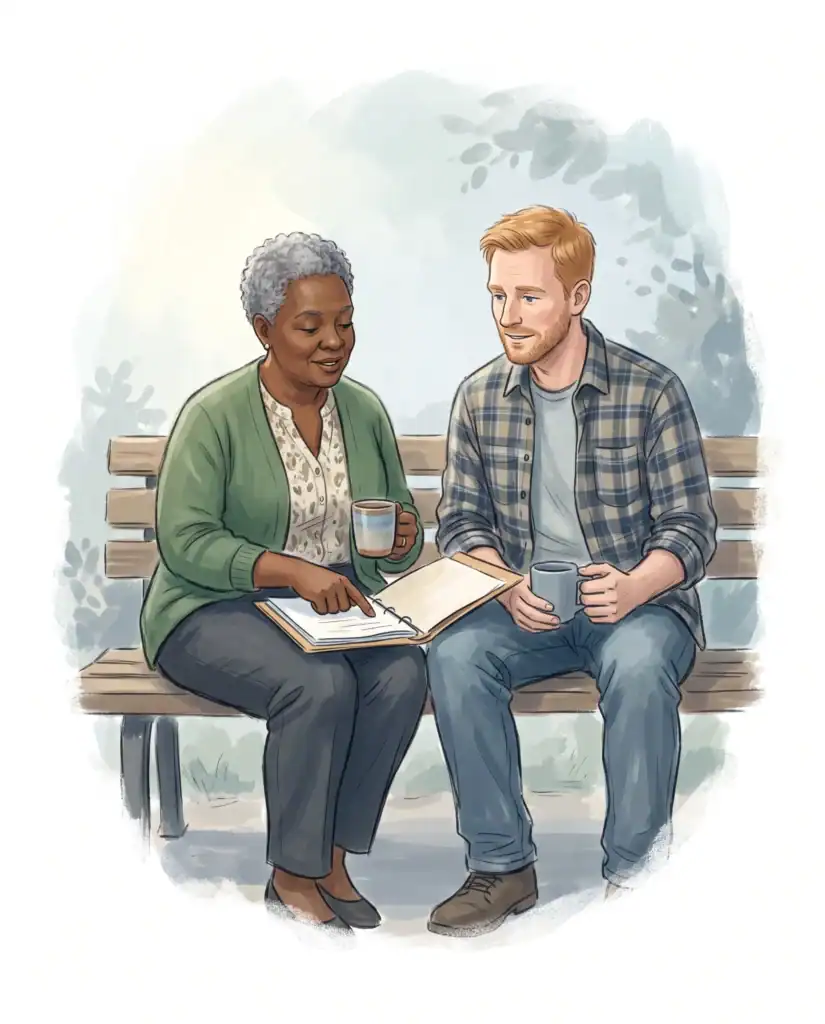
Recognizing Trauma in Neurodivergent People
Autistic people and people with ADHD may experience trauma through bullying, medical procedures, restraint, sensory overwhelm, or chronic invalidation. Signs can include intensified sensory avoidance, shutdown, meltdowns, or rigid routines—not always classic PTSD narratives. Trauma-informed care that respects neurotype (communication preferences, sensory needs, pacing) is essential; trauma treatment should not pathologize neurodivergence itself. Related reading: parenting a neurodivergent child.
Frequently Asked Questions
Does Blue Sails participate in VA Community Care Network?
This article does not claim VA CCN participation. Ask intake for the current status of any VA-related referral pathways; do not rely on website copy for eligibility decisions.
Does TRICARE cover trauma-focused therapy?
Often yes for covered beneficiaries when medically necessary, but plans and networks vary. Confirm with TRICARE and intake before starting.
Can children receive EMDR or trauma-focused therapy?
Developmentally adapted trauma therapies, including EMDR or TF-CBT where appropriate, may be used for children and teens after clinical assessment.
Is trauma different for autistic or ADHD adults?
Threat learning is shared biology, but expression and supports often differ. Autism-/ADHD-aware, trauma-informed clinicians can help distinguish trauma symptoms from neurotype traits.
What if someone is in crisis right now?
Contact 911, the nearest ER, or call or text 988.
How Blue Sails Fits
This article stays educational. For how Blue Sails helps specific groups and how to start, see the client pages linked above plus trauma & PTSD therapy. Phone: (410) 231-0488. Office: 9600 Blackwell Road, Suite 200, Rockville, MD 20850. Crisis: 911, the nearest ER, or call or text 988.