

Perinatal mood and anxiety disorders (PMADs) are among the most common health conditions of pregnancy and the first year after birth. ACOG reports that perinatal mental health conditions affect more than 1 in 5 people during this time. They are health conditions, not a personal failing, and they are treatable. Baby blues usually fade within about two weeks; symptoms that last longer, feel severe or get in the way of caring for yourself or your baby deserve an evaluation. Therapy, support and, when appropriate, medication can help. If you are in crisis or having thoughts of harming yourself or your baby, call 911, the nearest ER, or call or text 988.
Key Takeaways
- PMADs include depression, anxiety, obsessive-compulsive disorder (OCD), post-traumatic stress disorder (PTSD) and bipolar disorder that begin or return during pregnancy or the first year after birth.
- Baby blues are brief and mild. Postpartum depression lasts longer than two weeks and affects daily life, sleep, mood or bonding.
- Symptoms can start before pregnancy, during pregnancy or at any point in the first postpartum year, which is why repeated screening matters.
- Screening tools such as the EPDS and PHQ-9 can flag concerns early; a positive screen leads to a fuller assessment, not an automatic diagnosis.
- Treatment may include psychotherapy such as CBT or interpersonal therapy, medication, or both, chosen together with your providers.
- If you are in crisis or having thoughts of harming yourself or your baby, call 911, the nearest ER, or call or text 988.
What Does 'Perinatal' Mean?
In mental health care, “perinatal” usually describes the span from pregnancy through the first 12 months after birth. You may also see “prenatal” or “antenatal” (during pregnancy) and “postpartum” or “postnatal” (after birth). Perinatal mental health covers emotional well-being across that whole window, including after pregnancy loss, fertility treatment, adoption or surrogacy, and it applies to partners and non-birthing parents too.
What Are PMADs and How Common Are They?
The childbearing year reshapes sleep, hormones, relationships, identity and daily routines. When distress during this window rises to the level of a diagnosable condition, clinicians call it a PMAD. The group includes perinatal depression, anxiety disorders, OCD, PTSD and bipolar disorder. Brief baby blues are common after birth and are not considered a PMAD.
These conditions are not rare. ACOG describes perinatal mental health conditions as among the most common complications of pregnancy, affecting more than 1 in 5 people, and Cleveland Clinic estimates postpartum depression affects about 1 in 7 women. Onset varies: in a large screening study of postpartum women, depressive episodes began after birth in 40.1% of cases, during pregnancy in 33.4% and before pregnancy in 26.5%. Untreated symptoms can affect a parent’s health and the early parent-baby relationship, which is one reason ACOG recommends routine screening during and after pregnancy.
Blue Sails offers outpatient therapy in person in Bethesda and Lusby and by telehealth anywhere in Maryland, plus psychiatric care and medication management by telehealth. Our care for adults includes support during pregnancy and after a baby arrives, and our anxiety and depression guide explains how these conditions are evaluated at other life stages.
Key Risk Factors for Perinatal Mental Health Conditions
Anyone can develop a PMAD, including people with no prior mental health history. Factors that can raise the risk include:
- A personal or family history of depression, anxiety, bipolar disorder or a prior PMAD
- Stopping psychiatric medication during pregnancy
- Pregnancy loss, infertility, a difficult or traumatic birth, or a baby who needs intensive care
- Limited support, relationship conflict, isolation or major life stress
- Ongoing sleep loss, financial strain or past trauma
Having risk factors does not mean a PMAD will happen. It means it is worth talking with your providers early. The U.S. Preventive Services Task Force recommends that clinicians refer pregnant and postpartum people at increased risk of depression to counseling interventions.
Baby Blues or Postpartum Depression: What’s the Difference?
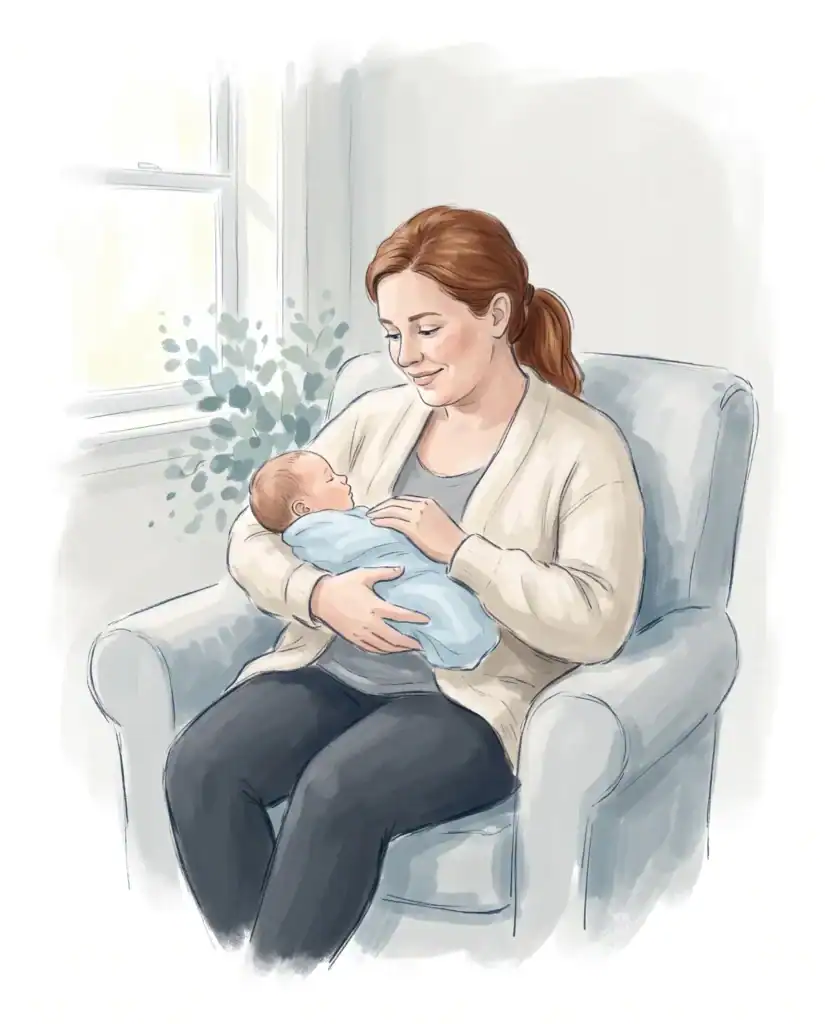
Most new parents expect some emotional ups and downs after birth. Baby blues bring mild mood swings, tearfulness and irritability that often peak a few days after delivery and typically fade on their own within one to two weeks. Postpartum depression is different: the sadness, anxiety or emptiness runs deeper, lasts beyond two weeks and can interfere with your ability to care for yourself or your baby.
Duration and Severity
Two markers help separate typical adjustment from something that deserves clinical attention: how long it lasts and how much it affects daily life. Baby blues usually begin two to three days after delivery, come and go, and fade within one to two weeks without disrupting your ability to function or bond with your baby.
Postpartum depression can emerge gradually and can begin at any point in the first year. When symptoms persist beyond two weeks, deepen into ongoing hopelessness, guilt or loss of enjoyment, and interfere with daily tasks, that pattern points toward depression rather than a passing adjustment. How long recovery takes varies from person to person, and NIMH notes that perinatal depression is treatable with therapy, medication or both.
When to Seek Help
Knowing the difference between baby blues and postpartum depression isn’t about attaching a label. It’s about recognizing when your symptoms deserve real support. Contact your obstetric, primary care or mental health provider if:
- Low mood, anxiety or irritability lasts longer than two weeks or keeps getting worse
- You can’t sleep even when your baby is asleep, or you’re sleeping far more than usual
- You feel detached from your baby, or basic self-care feels impossible
- You feel hopeless, guilty or worthless much of the time
You don’t need to wait for a formal diagnosis to reach out. Your obstetric or pediatric team can screen you with tools such as the EPDS or PHQ-9 and connect you with care. If you are in crisis or having thoughts of harming yourself or your baby, call 911, the nearest ER, or call or text 988.
Postpartum Depression: Signs and When It Starts
Postpartum depression often begins in the first weeks after birth, but it can start during pregnancy or emerge at any point in the first year, so timing matters as much as the symptoms themselves. It is common, and if this is happening to you, you are not alone. Warning signs include persistent sadness or emptiness, loss of interest in things you once enjoyed, sleep changes beyond what newborn care explains, and feelings of hopelessness or guilt lasting two weeks or more. If you notice these patterns, reach out rather than waiting for them to pass; postpartum depression is treatable, and early support can make recovery easier.
Recognizing Key Warning Signs
Recognizing the warning signs early helps you get support sooner. These symptoms reflect a strained, exhausted system, not a failure on your part.
| Domain | Warning signs | What to do |
|---|---|---|
| Mood and connection | Persistent sadness, irritability, crying, withdrawal, difficulty bonding | Contact your provider for an evaluation |
| Thinking and body | Poor concentration, insomnia, appetite changes, relentless fatigue | Mention these at your next visit or sooner if they worsen |
| Safety | Thoughts of self-harm or harming your baby, hallucinations, or confusion | Get help now: 911, the nearest ER, or call or text 988 |
If signs persist beyond two weeks or worsen, contact a provider. Screening with a tool such as the Edinburgh Postnatal Depression Scale (EPDS) helps guide next steps, and partners and family can play an important role in recovery.
Symptom Onset Timeline
Once you know what the warning signs look like, the next question is usually when they arrive. Baby blues typically start two to three days after delivery and fade within one to two weeks. Postpartum depression can begin within the first weeks after birth, months later, or during pregnancy. The DSM-5-TR “with peripartum onset” specifier covers episodes that begin during pregnancy or within four weeks after delivery, though many clinicians and guidelines watch the full first year. A timeline can guide you, but it doesn’t diagnose. Trust your instincts and reach out. A strong support network can help new parents feel less alone while managing mental health challenges.
Postpartum Anxiety: When Worry Won’t Let Up
When worry follows you home from the hospital and won’t quiet down, you may be dealing with postpartum anxiety, one of the most common and least discussed perinatal mental health conditions. Some worry is normal for a new parent. Persistent, excessive worry that fills your day, keeps you tense, disrupts sleep or worsens over time deserves attention. Anxiety can occur with or without depression, and risk is higher with a personal or family history of anxiety, pregnancy loss, delivery complications or limited support.
Screening tools such as the GAD-7 can be used during prenatal and postpartum visits. Treatment may include therapy such as CBT and, when appropriate, medication. You’re not failing; your nervous system needs support. Our anxiety and depression guide explains how anxiety is evaluated and treated.
Perinatal OCD and Intrusive Thoughts: What They Mean
Few symptoms frighten new parents as much as unwanted thoughts or images of harm coming to their baby, and few are as misunderstood.
Unwanted intrusive thoughts are common among new parents. In perinatal OCD, these thoughts tend to be ego-dystonic: they clash with your values, which is why they feel so distressing. A thought is not a desire or a plan. Postpartum Support International notes that parents with perinatal OCD are typically horrified by these thoughts and take steps to avoid acting on them.
When intrusions recur, take up hours of your day, or drive rituals such as constant checking, washing, reassurance seeking or avoidance, OCD may be developing. Perinatal OCD is different from postpartum psychosis, which is rare and a medical emergency. CBT with exposure and response prevention can help. Our OCD guide covers perinatal and postpartum OCD in more detail.
Postpartum PTSD: When Birth Becomes Trauma
Some births leave a mark that doesn’t appear on any discharge paperwork. It can show up as reliving an emergency delivery in nightmares, avoiding follow-up appointments, or panicking at a routine exam. Childbirth-related PTSD is more likely after complicated or frightening deliveries, but what matters most isn’t whether the birth was labeled “uncomplicated.” It’s whether you experienced threat, helplessness or loss of control. With the right support, recovery from trauma is possible.
| Symptom domain | What it looks like | Why it happens |
|---|---|---|
| Intrusions | Flashbacks, nightmares of the delivery | The brain’s alarm system holds on to fragmented memories |
| Avoidance | Skipping medical settings or birth conversations | Reminders trigger a sense of danger |
| Hyperarousal | Hypervigilance, irritability, poor sleep | The nervous system stays on high alert |
These are core PTSD symptom areas: intrusion, avoidance and hyperarousal. An evaluation looks at your experience directly, and trauma-focused therapy is a common first step. Treatment may also address co-occurring depression or anxiety, and some people also consider medication with a psychiatric provider.
Could It Be Bipolar? Why Screening Comes First
Why does treating perinatal depression start with questions about mania? Because bipolar depression can look much like other depression, and the treatment plan can differ. ACOG advises that people with depression be screened for bipolar disorder before starting medication, because antidepressants alone may not be the right fit for someone with bipolar disorder. Screening questionnaires, such as the Mood Disorder Questionnaire (MDQ), can help flag who needs a closer look.
- A positive screen isn’t a diagnosis; it calls for a fuller evaluation and, when indicated, a psychiatric consultation.
- Depression checklists such as the EPDS or PHQ-9 don’t capture past manic or hypomanic episodes.
- Clinicians look for a distinct cluster of symptoms, not isolated ones.
- A family history of bipolar disorder, a first psychiatric episode after birth, or depression that hasn’t responded to treatment are reasons to ask.
Perinatal Mental Health Screening: When and How Often
ACOG recommends screening for depression and anxiety with a validated tool at the initial prenatal visit, later in pregnancy, and at postpartum visits. Because depression can begin before, during or after pregnancy, one screen isn’t enough. People with a history of mental health conditions, prior medication use, or a previous positive screen may benefit from more frequent check-ins. A positive screen means a timely follow-up assessment, not a diagnosis. Pediatric visits during the baby’s first months are another common point for parent screening.
| When | Why | Common tools |
|---|---|---|
| Initial prenatal visit | Sets a baseline | EPDS or PHQ-9, GAD-7 |
| Later in pregnancy | Symptoms can begin during pregnancy | Same tool repeated |
| Postpartum visits | Many symptoms emerge after birth | Same tool repeated |
Treatment for Perinatal Depression and Anxiety: Therapy, Meds, or Both
Choosing between therapy, medication or both during pregnancy or postpartum depends on symptom severity, treatment history, your preferences and access to care. ACOG guidance describes psychotherapy as a good fit for many people with mild to moderate symptoms, and medication or combined care is often considered for moderate to severe symptoms. Here’s what usually gets weighed:

- Cognitive behavioral therapy (CBT) has strong research support for perinatal depression and anxiety; it helps you recognize and rework thought patterns that keep symptoms stuck.
- Interpersonal psychotherapy (IPT) focuses on role changes, relationship shifts and grief, stressors that pregnancy and new parenthood often intensify.
- Selective serotonin reuptake inhibitors (SSRIs) are commonly used first-line medications, and your prescriber may discuss other options.
- Combined treatment may help when one approach alone hasn’t brought enough relief.
The aim is to help you feel and function better, and your plan can be adjusted as you go. At Blue Sails, therapy and medication management can be coordinated by our Providers, with psychiatry available by telehealth.
Are Psychiatric Medications Safe During Pregnancy?
One of the most common questions expectant parents ask is whether psychiatric medication is safe during pregnancy. Pregnancy alone does not automatically make these medications unsafe. ACOG’s clinical practice guideline recommends against stopping or withholding medication solely because of pregnancy, because untreated depression, anxiety or bipolar disorder carries its own risks for you and your baby. The goal isn’t a “perfect” choice but an informed one, made with your prescriber and obstetric provider, and without abrupt changes.
Weighing Benefits and Risks
If you’re pregnant and managing depression, anxiety, bipolar disorder or another mental health condition, you’ve probably wondered whether your medication is safe for your baby. No medication is risk-free, and neither is untreated illness: relapse can affect your stability, prenatal care and daily functioning. Your prescriber will look at relative versus absolute risk, the specific medication, dose, timing and your health history. Points often discussed include:
- Every pregnancy carries some baseline chance of birth defects, regardless of medication; this baseline is the starting point for comparing risk.
- Observational studies can be affected by confounding, so small associations don’t prove a medication caused a problem.
- Evidence differs by medication, so decisions are made one medication at a time, using current guidance such as ACOG’s.
Together with your providers, you can choose the plan that best protects you and your baby.
Avoiding Unnecessary Medication Discontinuation
Stopping a medication that’s working can feel like the most protective move when you’re pregnant, and that instinct deserves respect. Still, pregnancy alone generally isn’t a reason to stop effective treatment, and ACOG advises against routine discontinuation. The relapse data matter: in one study of women with a history of major depression, 68% of those who discontinued antidepressants relapsed during pregnancy, compared with 26% of those who continued. If you’re considering stopping, talk with your prescriber first about what’s behind your concerns, your relapse risk, and options such as adjusting medication, adding therapy, or a gradual taper with monitoring.
What Mental Health Meds Are Safe While Breastfeeding?
When you’re breastfeeding and taking medication for depression, anxiety or another mental health condition, it’s natural to worry about what reaches your baby through your milk. Many antidepressants pass into breast milk in low amounts, and your prescriber weighs infant exposure against the real benefit of treating your illness. A medication that is already working is often a reasonable place to start the conversation.
- Information differs by medication, so ask your prescriber about the specific medicine and dose you take.
- The National Library of Medicine’s LactMed database summarizes research on medications and breastfeeding.
- Let your baby’s pediatrician know about any medication, and report changes such as unusual sleepiness, irritability, feeding difficulty or poor weight gain.
- Some mood stabilizers need closer monitoring during breastfeeding, which your psychiatric provider can plan with you.
Postpartum Care After Birth: The 12-Week Visit and Beyond
Twelve weeks is the outer limit for a comprehensive postpartum visit, but it isn’t the only touchpoint you should expect. ACOG recommends contact with your obstetric provider within the first three weeks after birth, with a full visit no later than 12 weeks, and the WHO recommends at least four postnatal contacts in the first six weeks. These visits check healing, blood pressure, sleep, feeding and your mood. Because postpartum depression and related conditions often emerge in the early weeks, mood screening at these visits matters. The comprehensive visit also reviews contraception, chronic conditions and emotional well-being, and it can connect you with therapy, medication or both. Postpartum care continues after 12 weeks with your primary care team.
Miscarriage and Stillbirth: When Grief Needs Care
Pregnancy loss interrupts a story you had already begun telling yourself, so grief after miscarriage or stillbirth often arrives as both sorrow and shock, and none of that means you’re broken. According to the CDC, stillbirth affects about 1 in 175 births in the United States. Grief doesn’t follow a schedule; it can stretch across months or years and may come with anxiety, depression or post-traumatic symptoms.
Signs that grief may need extra support:
- Intense worry, hopelessness, or sleep and concentration problems that don’t ease
- Flashbacks, nightmares or numbness disrupting daily routines
- Past mental health concerns, isolation, stigma or self-blame
- Thoughts of self-harm: get help now through 911, the nearest ER, or call or text 988
Therapy can help with depression, anxiety and grief after a loss, yet many bereaved parents never get that support. Reaching out is a reasonable step at any point after a loss.
How Partners Can Support Perinatal Mental Health
Most partners want to help but aren’t sure where to start, and that uncertainty is a reasonable place to begin. Watch for changes in mood, sleep or anxiety during pregnancy and the first year after birth, then raise concerns calmly and privately, without blame. Ask open questions, listen without interrupting, and skip advice like “snap out of it.”

Offer practical relief: handle meals, groceries and baby care so your partner can rest, eat and attend appointments. When symptoms persist, help schedule a visit with an obstetric or mental health provider; screening connects to treatment, including therapy and medication. Treat any talk of self-harm as urgent: 911, the nearest ER, or call or text 988. Partners can experience perinatal depression too, so look after your own health as well.
Perinatal Mental Health Support in Maryland
If you’re in Maryland and want support during pregnancy or after birth, Blue Sails offers therapy in person in Bethesda and Lusby and by telehealth statewide, with psychiatric care by telehealth. You can contact our intake team to ask about availability, or visit our locations page. Free national resources are also available:
- National Maternal Mental Health Hotline: call or text 1-833-TLC-MAMA (1-833-852-6262), available 24/7.
- Postpartum Support International offers support groups and help finding care.
- For immediate help: 911, the nearest ER, or call or text 988. Our crisis help page lists more options.
Frequently Asked Questions
Will Postpartum Depression Return in Future Pregnancies?
It can return, but it doesn’t always. Having had postpartum depression before raises the chance of it happening again, so talk with your providers about your history early in a future pregnancy and plan preventive support together.
How Long Before Antidepressants Start Working?
It varies by person and medication. Many people notice gradual improvement over several weeks, and your prescriber will check in on how you’re feeling and any side effects. Don’t stop or change a dose without talking with your prescriber first.
Does Insurance Cover Perinatal Mental Health Therapy?
Coverage depends on your plan. Blue Sails is in-network with plans including Aetna, Anthem, BlueCross BlueShield, Cigna and UnitedHealthcare, and we accept TRICARE. Ask our intake team to verify your benefits, deductible and copay before your first visit. Our insurance and billing page has the details.
Can PMADs Develop After Adoption or Surrogacy?
Yes. Adoptive parents, surrogates and non-birthing parents can experience depression and anxiety after a baby arrives. Screening that considers sleep, infertility history, relationship strain and social support can help catch concerns early.
Does Weaning Affect Postpartum Mood?
It can. Some people notice mood changes around weaning, which may relate to hormonal shifts, grief or sudden changes in routine. Responses vary; if sadness, anxiety or emptiness persists or worsens, reach out to a provider.